I Watched “Fugitive: The Curious Case of Carlos Ghosn” So You Don’t Have To
Automologist LING is waiting for the high-budget production biopic, but meanwhile had hoped this documentary could have scratched that itch…
The spectacular rise and fall and even more spectacular escape of Carlos Ghosn are the stuff that Hollywood movies are made of. So, when I saw a new documentary on the infamously ousted Nissan executive on Netflix, I was quick to click play. 15 minutes in and the struggle to finish began and continued until the end.
Despite featuring first-hand interviews with some of the key people involved with Ghosn in his personal and professional life, including former Nissan, CEO, Hiroto Saikawa and former Deputy CEO of Renault, Patrick Pélata, Fugitive: The Curious Case of Carlos Ghosn offered little beyond what is already publicly known.
https://.youtube.com/watch?v=eSjBsUElG7Y&t=5s
If you have not yet dipped your toes into the scandal that began in 2018, the documentary follows the Brazil-born Lebanese as he made his way up the auto industry to gaining his titan status, masterminding the Renault-Nissan-Mitsubishi Alliance in the process, but soon black marks began marking his career.
The documentary recounted the suicides of several employees who worked at Renault’s Technocentre; the case of three employees who were accused of being spies for China but were later found innocent; and the luxury homes bought with company funds, which Ghosn says was transacted with the company’s knowledge and for corporate use. In 2010, a new rule in Japan required companies to disclose large salaries and it became known that Ghosn earned 10 times that of the CEO of Toyota, which sells and makes way more than Nissan.
And then there was Renault anniversary held the Palace of Versailles which cost €600,000 and “coincidentally” fell on Ghosn’s birthday, yet very few company associates were invited, allegedly.
A good portion of the 95-minute documentary was dedicated to painting a man who became increasingly vain and divorced his wife as he gained more power, and a man who seemed to regard company employees as mere means to an end.
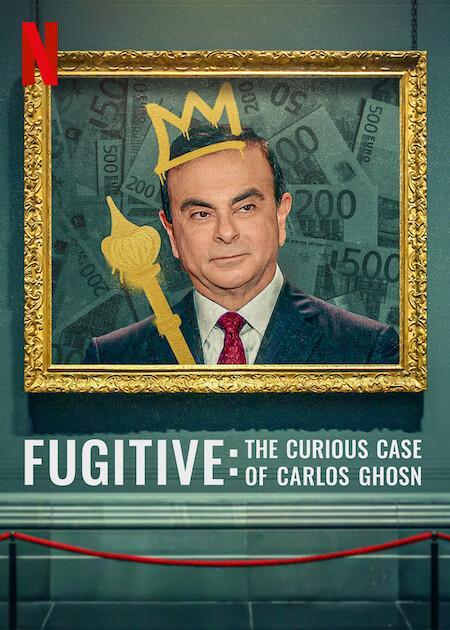
Ghosn did not himself participate in the documentary but the man was included in the strangest of scenes, in which clips of Ghosn defending himself in the media was projected onto the wall of a “prison cell” or played on a wall of TV screens in a room with a mysterious male figure watching it. Unnecessarily dramatic and cheaply executed, I felt.
We do meet one of Ghosn’s sisters, who shared the anxiety she felt when hearing of her brother’s plight and relief upon his escape. What a missed opportunity to find out more about about what made him the man he is. And this is not the same sister whom Nissan is taking to court for alleged “unjust enrichment” as Ghosn apparently had channeled compensation to her for “advisory services” which Nissan claimed the company had not received—that sister would have made for an interesting interview subject.
The documentary only hinted about his childhood briefly, with the very juicy tidbit of Ghosn’s father having murdered a priest back in Lebanon, although it dwelled longer on Ghosn’s hair implants and corrective eye surgery than his formative years.
Then there is the fictional character of a pretend PA and the documentary abruptly cuts to her from time to time, with her breaking the fourth wall to deliver side commentary—think Margot Robbie in The Big Short, but executed not as well. Clearly the director opted for a dramatic flair not unlike the programmes on the History and Discovery channels.
The only person who shed a tiny light on the personal side of the man was his housekeeper in Japan, who seemed to genuinely care about her former employer’s well-being, shed a tear for him and shared that Ghosn made sure to pay her what was due, gifted her two bottles of (probably very expensive) wine and asked for a picture with her before fleeing Japan in dramatic fashion. She was ironing shirts and trousers the entire time she was being interviewed in what looked like a staged scene—was that necessary?
If you manage to watch till the denouement, B-grade reenactments with lookalike actors inter-spliced with seemingly real CCTV footage of Ghosn’s daring escape from Japan in a music equipment box felt, again, unnecessarily dramatised.
I would have liked an investigative journalism approach and, as they had managed to score interviews with the people they did, to ask deeper-digging questions. Overall, if you have not yet read or heard much about the Carlos Ghosn case, there are still many interesting facts cobbled together. But you could also pull up a few articles on the internet and get just about the same picture and then some.