Chinese car imports are they a good thing, or, a bad thing?

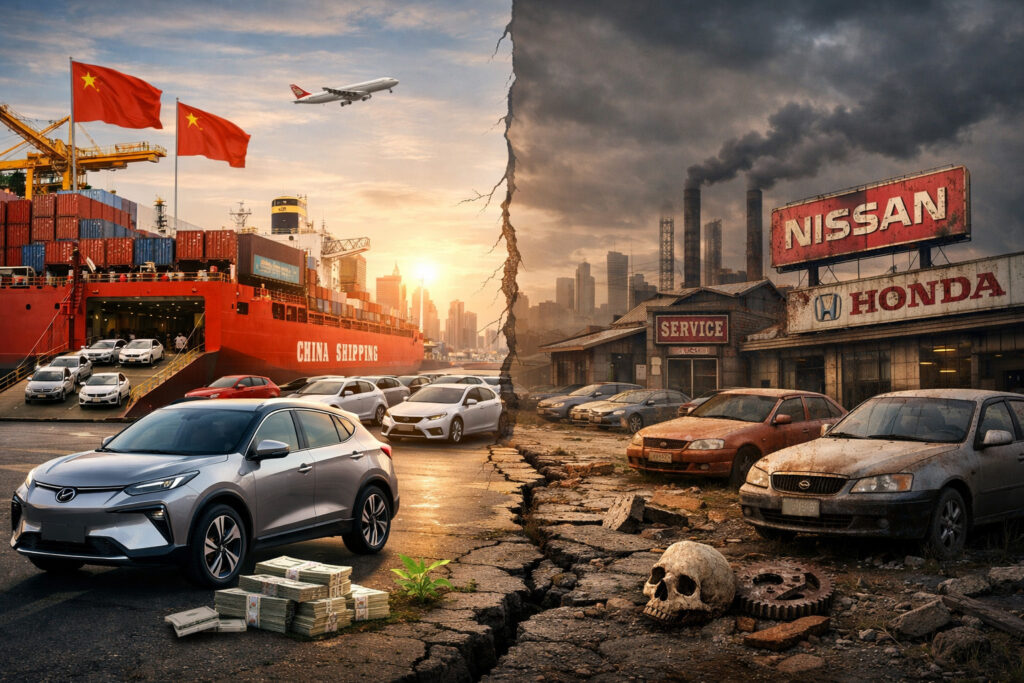
The roar of competition in China’s automotive industry has reached a fever pitch, an almost apocalyptic race where profit margins are being driven into the red and only one mantra reigns supreme: export or perish. With a staggering 103 car manufacturers jockeying for position in the world’s largest auto market, Chinese automakers find themselves in a brutal Darwinian contest. Domestic demand alone isn’t enough to absorb the relentless flood of new vehicles, and the result is an unmistakable pivot toward foreign shores.
In China European cars are being squeezed out, Porsche is rumoured to be the latest manufacturer who are considering on giving up in the market. Even the mighty boys from Zuffenhausen are considered to be behind the market and too expensive by Chinese consumers.
At the heart of this upheaval lies government policy. Beijing’s export incentives and bonuses have become lifelines for firms whose domestic margins have all but evaporated under cut-throat pricing. Why sell at a loss at home when you can ship vehicles abroad and eke out an elusive profit? The strategy is as bold as it is necessary, a national push to turn China into the world’s workshop of wheels.
For consumers in Southeast Asia, this could be nothing short of a windfall. Suddenly, high-quality vehicles loaded with modern tech, for so long the province of premium brands, are arriving at price points that make existing players wince. Chinese manufacturers, once dismissed as budget curiosities, are now serious contenders with compelling value. Drivers from Bangkok to Jakarta stand to benefit from cheaper electric vehicles, advanced safety features, and broader choice. In many ways, it’s the triumph of affordability and innovation over complacency.
Yet, not all market watchers are cheering. The ferocious export push could spell disaster for established Japanese giants like Nissan and Honda, whose traditional strengths in reliability and dealer networks are tested by sheer pricing power. When undercut on cost and outpaced on technology, a once-solid foothold in emerging markets becomes dangerously precarious. It’s not just competition; it’s a potential wake-up call.
There’s also the spectre of sustainability. Can China’s industry endure years of suppressed margin selling before it finds stable profitability? Or will the export obsession fracture the very ecosystem it seeks to strengthen?
What’s clear, is that the global auto industry is tilting. And as the dust settles, consumers may well be the biggest winners of all, just as a generation of established automakers finds itself scrambling to adapt, rethink, and survive.