Honda Pumps the Brakes on EV Ambitions will Hybrids come to the Rescue?
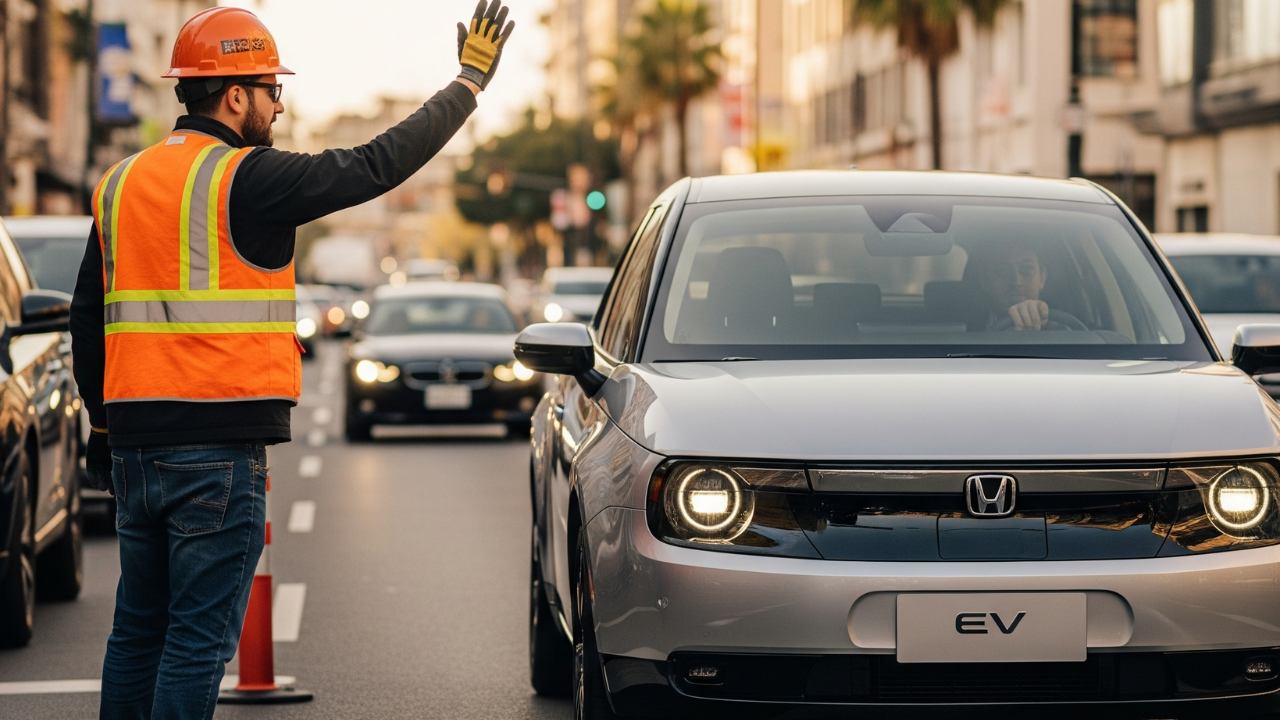

Of late, we have often heard an Auto manufacturer say they are “recalibrating” its EV strategy, it’s usually PR-speak for, “Well, that sucked, what’s next?.” And so now we hear that the growing cacophony of recalibration announcements is also coming from our old friends over at Honda, who of course were once bullish on a full-scale electric future, and are now slashing its EV investment and pivoting towards hybrids simply because, and there is no surprise here, consumers aren’t biting.
So why the sudden U-Turn? According to The Sun’s 8 July exposé, Honda just pulled the plug on a chunk of its EV rollout, which includes the cancellation of their big electric SUV. They also axed funding from $68.6 billion down to $48 billion through 2030. They decided the good ol’ hybrid thingy might be the smartest bridge to zero emissions.
I think that over here at Automology we have put it a bit more bluntly: EV demand has flat-lined. The venerable Financial Times also reported on the demise of Honda’s EV plans and believes that Honda now expects full EVs to account for roughly 20% of sales by 2030, not the 30% it once confidently projected.
Tech Story believes that this is the start of a long-overdue pivot towards ultra-efficient Internal Combustion Engines and Hybrid drive trains. Apparently, we can expect a total of 13 new next-generation hybrids to be launched between 2027 and 2031, although they will still be offering EVS for the discerning tofu-eating hemp-trouser-wearing Californian hippies.
Let’s not mince words: Honda didn’t have a meltdown. They simply hit consumer disinterest, a sort of hit logic speed bumps. EV adoption hasn’t taken off as hoped. Charging nightmares, price-tag sticker shock, fickle incentives, excessive insurance bills, and massive depreciation have dented the market’s appetite. They are now targeting sales of 2.2 million hybrid vehicles per year by 2030, with a long-term carbon-neutral footprint by 2040.
So how is this “pivot” going to look? Maybe it will be in true Japanese pragmatism: hybrids are a Trojan horse. They clean the tailpipe while buying time to figure out EVs at scale, with better batteries, infrastructure, and consumer conviction.
It’s like deciding now that your electric lawnmower is too noisy and expensive. Instead, you drop back to a sleek petrol-hybrid one that just works that is until batteries become cheap and chargers ubiquitous.
Just in case you were not paying attention
Lotus, who are struggling to sell any of their EV’s moth balled its UK factory and cancelled its proposal to go fully electric in November 2024, instead focusing on hybrids like Honda with many other companies heading in the same direction.
Porsche also announced it would shift to offering more hybrid options after admitting it would not meet its initial goal of 80% fully electric sales by 2030.
Nissan scrapped plans for a small electric SUV in January and Mini said it wouldn’t be abandoning petrol engines anytime soon.
Even Volvo has admitted defeat in achieving its EV plans.
Elsewhere, motor companies are also trying to keep the combustion engine alive.
BMW insist the combustion engine is its foundation while Lamborghini is hopeful synthetic fuels will take off.
Meanwhile, Mercedes-Benz is looking to extend the life of its engines while Audi has announced it will build petrol engines for another 10 years.