Japan Is Done with Hydrogen and EV Hype, now Toyota, Mazda & Subaru Are Betting on Real Engines for the 22nd Century
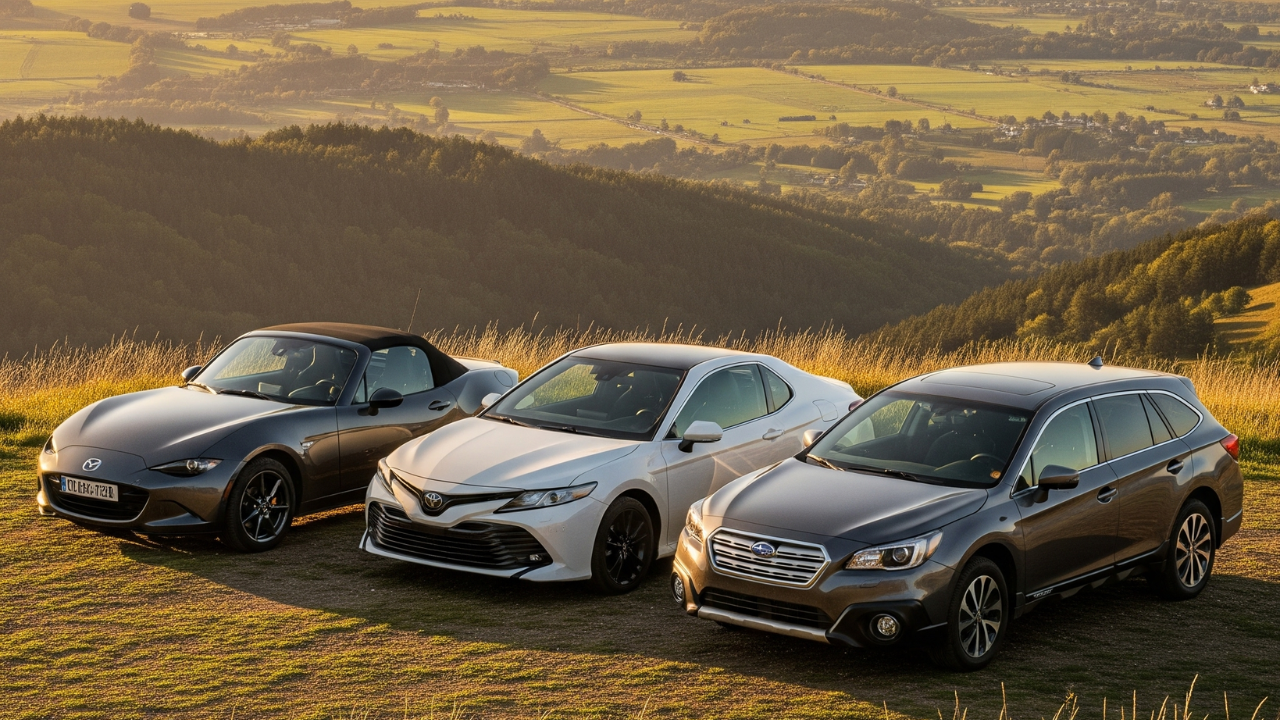

You would have to be living under a rock if you hadn’t noticed the automotive world stampeding towards a future powered by batteries and some hydrogen tanks. But on a recent trip to Nagoya in Japan, it would seem that the land of the rising sun hasn’t gotten the message or, at the very least, veered off the road and straight into the heart of internal combustion.
Toyota, Mazda, and Subaru, who are three of Japan’s most iconic carmakers, collectively told the electric vehicle narrative to take a seat as the grownups are talking now and then proceeded to unveil something completely astonishing.
Not one, not two, but three brand-new internal combustion engines built for the next century. Yes, I did write that correctly three brand new engines. That is engines with cylinders. And crankshafts. And vibes. That run on petrol
Forget hydrogen. Forget lithium. This is internal combustion engine powered rebellion with a huge dose of Japanese engineering wizardry.
Just so you know, these aren’t just lazy retreads of engines past. We’re not talking about a reimagined V8 or your dad’s inline-four or the RX-7’s wailing rotary (though Mazda did wink in that direction). These are compact, lightweight, ultra-efficient combustion engines designed to run on carbon-neutral fuels, synthetics, biofuels, and maybe even fermented tofu. Who knows?
Toyota’s have come up with a lean 1.5L three-cylinder that might just outsmart your Tesla’s brain with clever thermal tech and modularity.
Mazda, and no surprise here, brought a rotary back to the party. Of course they did. It’s small enough to fit in a suitcase and supposedly emissions-compliant. Insert rotary reliability jokes here.
Subaru? Well, what else other than a horizontally-opposed masterpiece, of course. Because boxer engines are forever.
All three are designed to integrate with hybrid systems. Think of them less as gas-guzzlers and more as “intelligent propulsion modules.” Yes, it’s a mouthful. But in Japanese engineering, complexity is a virtue.
Now I can already here the hemp trouser wearing brigade gnash their teeth and wail that this is a backward step for mankind as they sip their camomile tea. Hardly, if anything, this move is aggressively forward-thinking. What Japan is saying, loudly, and in unison is: Electrification alone is not the answer.
You need to take off your rose-tinted spectacles and face the cold reality. Batteries are heavy, dirty to produce, and increasingly embroiled in geopolitical drama not to mention fuelling the modern-day slave trade.
Whilst hydrogen power is still the punchline to an infrastructure joke.
Meanwhile, synthetic fuels are quietly gaining traction. Porsche is in on it. F1 is going all-in by 2026. Even the EU blinked and left a loophole for carbon-neutral combustion in their zero-emission mandates.
Toyota, Mazda and Subaru are just calling the EV bluff. That’s all.
So why has this put such a huge grin on my face? Well, this isn’t just a technical play it’s cultural. Japan’s automotive soul is tied to the engine. From the wail of the 4A-GE to the thrum of Subaru’s flat-four, it’s always been about character, response, and engineering artistry. The shear visceral thrill of the white-knuckle turn into a corner.
Electric motors are great, sure, but they don’t make you feel things in the same way. A bit like driving a washing machine according to Jeremy Clarkson.
These new engines represent a future where driving can still be joyful, even while being eco-conscious. They’re not rejecting the future they are simply reimagining it. And frankly, after a decade of soulless EV crossovers and cobalt guilt, that’s a future I’d very much like to live in.
Ladies and gentlemen, the engine is dead. Long live the engine.