From a Pioneering Powerhouse to a ghost factory as Nissan pulls the plug on Oppama
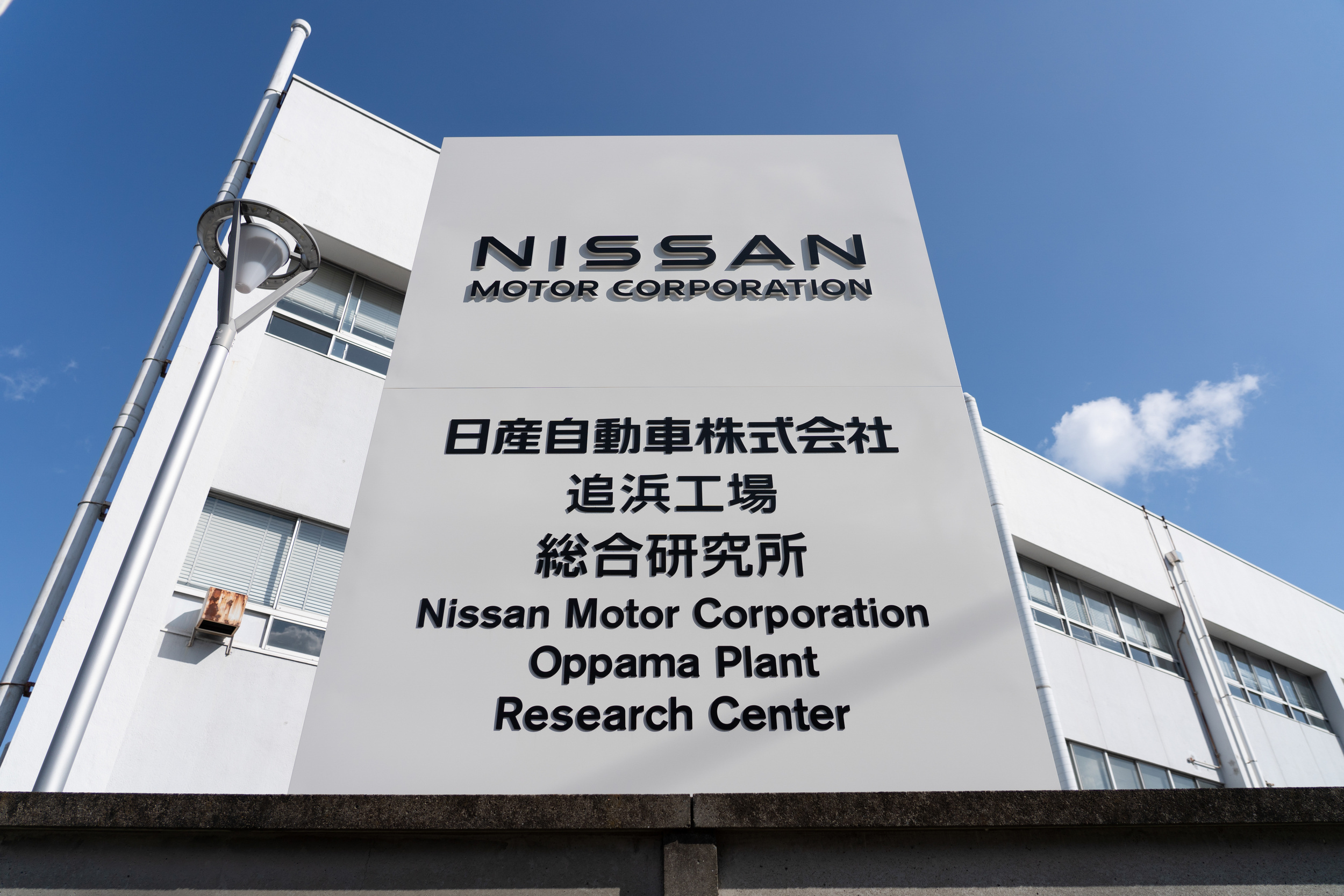
In a move that sends a tsunami through the Japanese motor industry, Nissan has confirmed the closure of its revered Oppama plant.
This factory, located just south of Tokyo in Yokosuka, is considered by many to be Nissan’s very heart. It has been at the centre of Nissan production for 60 years.
It is not an overstatement to say that Oppama has long been considered Nissan’s “mother ship,” the very centre of Nissan innovation. However, that has not saved it, and production will cease by the end of Japan’s fiscal year 2027, with operations shifting to the Kyushu facility by March 2028.
In a country where it is seen as shameful to close a factory or lay off permanent employees, where closure is seen as a failure of the company to fulfil its social responsibility to provide stable employment, this is a seismic shift in business fortune.
The Oppama plant, which opened for business in 1961, was once cutting-edge. It is the place that first introduced welding robots, among other things.
Over the next 60 years, just about 17.8 million vehicles have been cranked out of the place, including icons like the Leaf, Cube, March, and Datsun Bluebird. But as the utilization of the plant dropped to below 40% capacity, the writing was already on the wall.
Ivan Espinosa, Nissan’s recently appointed CEO, described the decision as “tough but necessary,” labelling Oppama an “icon for Nissan.” The plant currently employs approximately 2,400 workers whose future remains uncertain, but they have been promised fair transition options, including internal transfers or support finding new roles.
The sad fact is that this is not the end of Nissan’s factory closures. Six more factory closures will occur before the end of fiscal 2027, as Nissan plans to slash capacity from 3.5 million to 2.5 million per year. This will eliminate some 20,000 jobs globally, or about 15% of their workforce. Nissan may also reduce its model lineup from 13 to 7 to rationalise part complexity.
Oppama’s closure isn’t just a corporate strategy; it’s a blow to the local economy. The plant employs 2,400 people directly; indirectly, it supports over 1,700 suppliers in Kanagawa in the famed invisible factories that supply much of the componentry to the
This move follows Nissan’s staggering loss of ¥670.9 billion (~US $4.5 billion) for the fiscal year to March decline from a profit of ¥426.6 billion in the prior year. Sales slumped in key markets like the US and China, compounded by restructuring costs, high inventories, and a tangled web of tariffs (AP News).
Since the derailed Honda merger and the departure of CEO Uchida, Nissan has been scrambling to recalibrate. Oppama’s closure marks the final domestic factory wound in its global downsizing campaign.
There’s something solemn yet inevitable about this decision: a clean-cut response to seismic shifts in the auto world. Yet for many in Oppama, the workers, shopkeepers, and engineers, it’s more than numbers; it’s a fragment of collective identity slipping away.
Nissan now bets on efficiency, adaptability, and regional consolidation. Whether Kyushu can rise to fill Oppama’s historic role remains to be seen. For now, the clang of welding robots in Yokosuka will gradually fade and be replaced by quieter contemplation of what must be given up to reinvent for tomorrow’s roads.