Going Electric: The Green Dream Meets the Electricity Bill
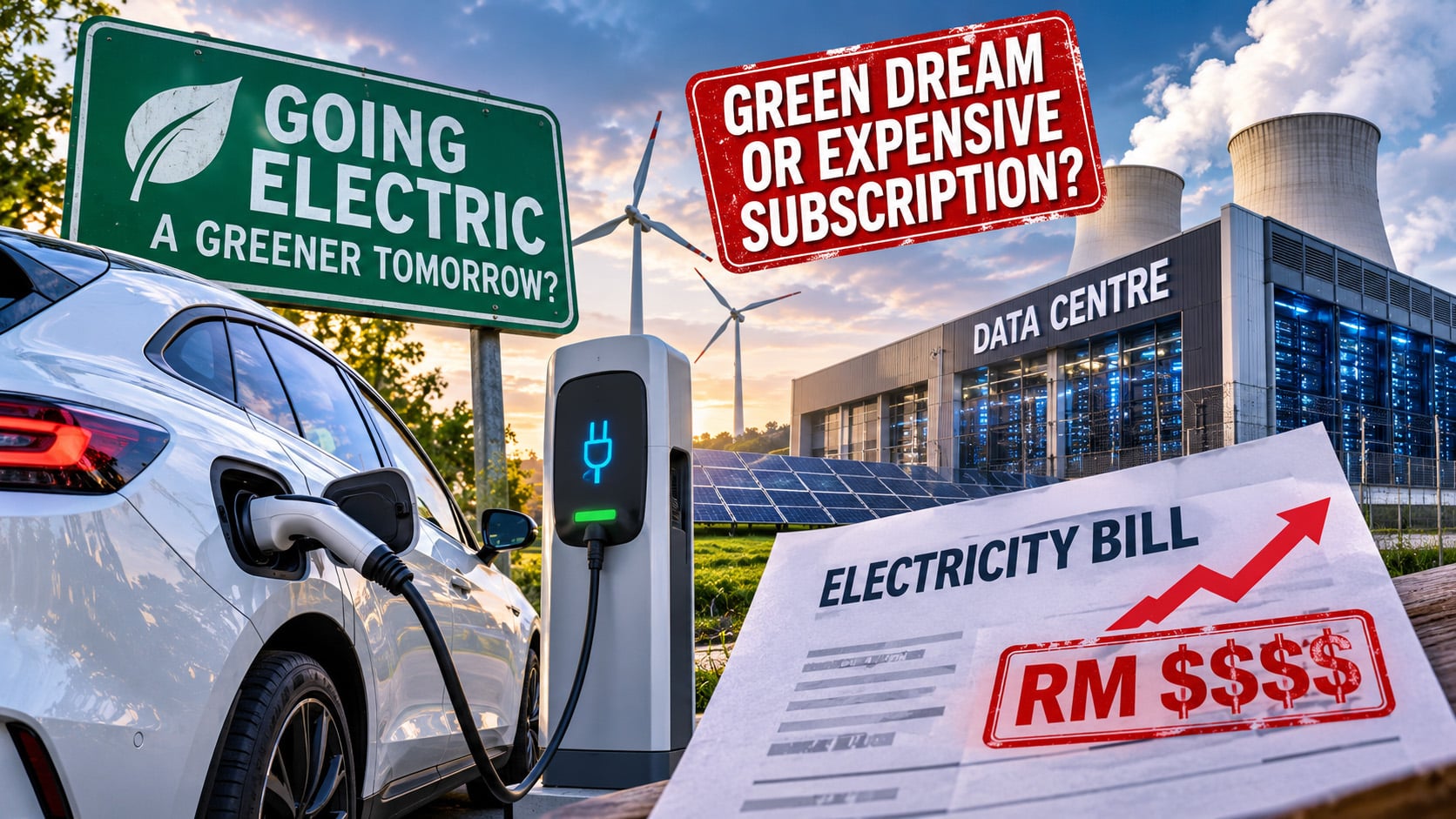
There is nothing quite like a commercial failure to spoil a perfectly good environmental success story. Just ask Zipcar.
In December 2025, Avis-owned Zipcar announced it was pulling the plug on its UK operation, following mounting losses and a decision to stop taking bookings after the end of the year. The company subsequently confirmed its closure in February 2026. Among the reasons? The increasingly expensive business of running an electric fleet.
Zipcar had lost £11.7 million in 2024, with high electricity and charging costs, insurance premiums and disappointing resale values all contributing to the problem. Apparently, running a fleet of electric cars isn’t quite the cheap motoring nirvana we were promised.
Of course, this is hardly an isolated problem. We were told EVs would be cheaper to run, cheaper to maintain and wonderfully economical. What seems to have been overlooked is the small matter of buying the things, insuring them, charging them when electricity prices are through the roof and discovering that yesterday’s expensive technology is tomorrow’s heavily discounted second-hand car.
And just as governments are enthusiastically trying to electrify everything from cars to cookers, along comes the artificial intelligence revolution.
The world’s technology giants are building enormous data centres, consuming electricity on an industrial scale. The International Energy Agency reported that data-centre electricity consumption jumped 17% in 2025. Demand is expected to double by 2030. Suddenly, cheap and plentiful electricity has become rather important again.
Even Bill Gates and his fellow technology billionaires have become rather more pragmatic about the economics of the green transition. The reality is that nobody wants to pay a green premium indefinitely, particularly when the electricity bill arrives.
Perhaps we should put all these data centres in the Arctic. They need enormous amounts of cooling, after all. Just build them on the ice, open the windows and let nature do the air conditioning. What could possibly go wrong?
But seriously, there is a much better idea. Rather than simply throwing away all that waste heat, why not capture it? Use it to heat homes in winter, supply industrial processes or even feed heat into systems that generate additional electricity. Waste heat recovery and district heating are already technically viable possibilities. I think that is being done in Finland.
It seems we have become rather good at inventing expensive ways to consume electricity, but considerably less enthusiastic about making the whole system efficient.
Perhaps before we force everyone into an electric car, we should work out where all the electricity is coming from, how much it will cost and who is going to pay for it.
Because the green revolution is beginning to look rather less like a revolution and rather more like an extremely expensive subscription service.