Automologist MAC predicts a new leader in global energy.
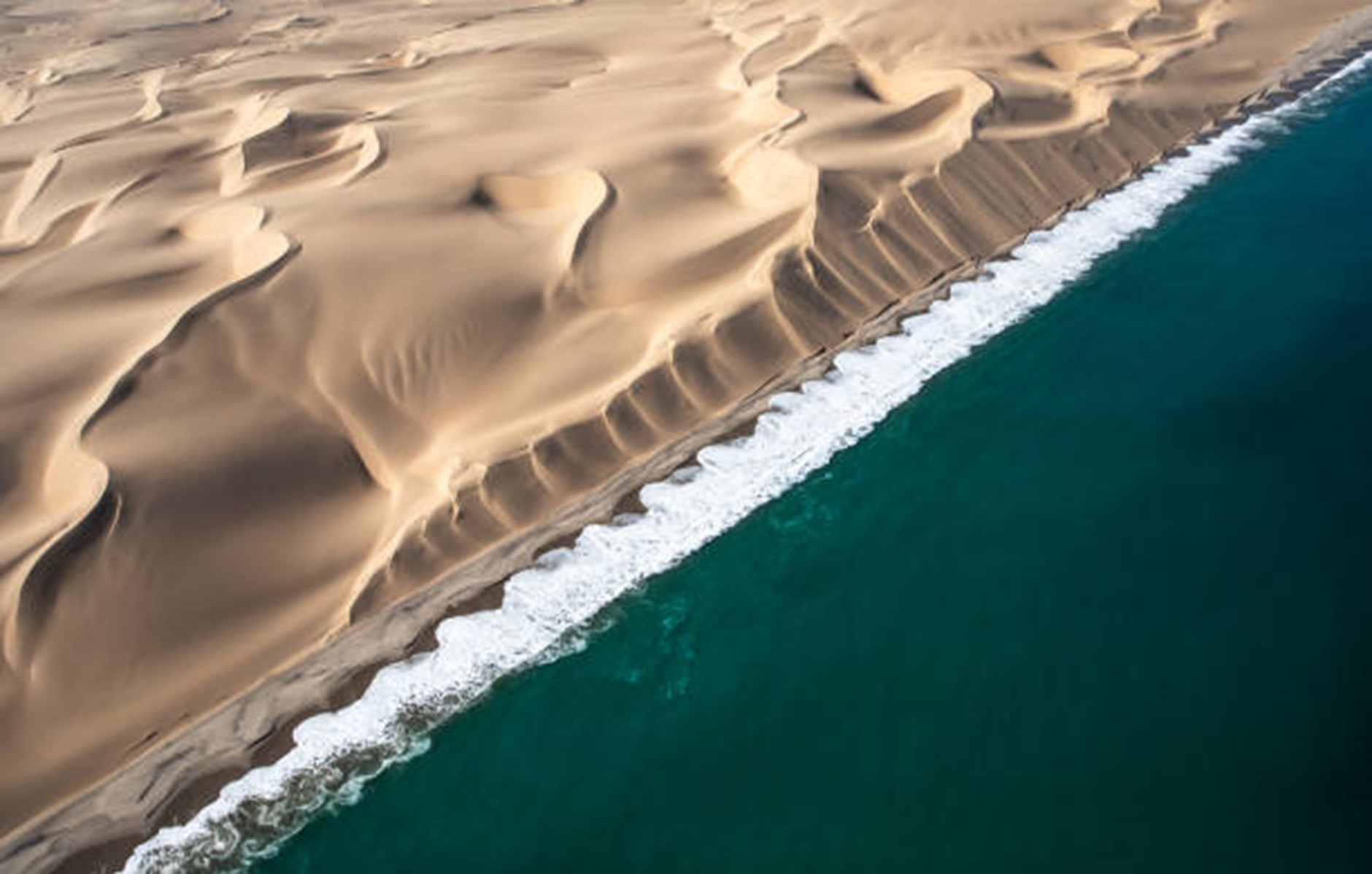
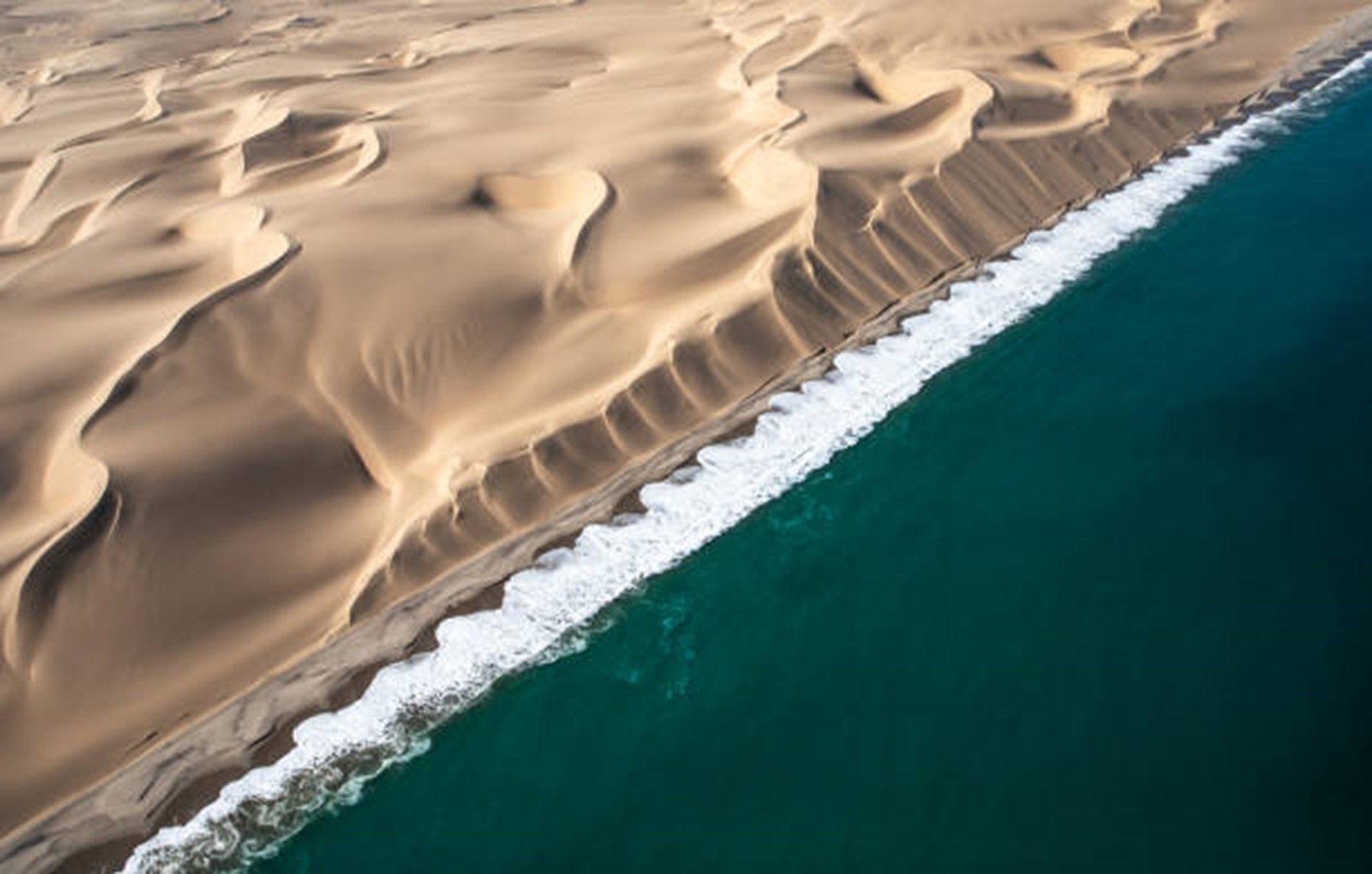 Down here where the desert meets the sea……..
I bet most of you could not find Namibia on a map right now; in the future, though, I bet you will. And that is because the East African country, once a German Colony that only became independent from South Africa in 1990, is planning to become a world player on the world energy stage.
The otherwise impoverished country that can be best described as a place where a harsh desert meets the cool green ocean has realised that it has an abundance of wind and sun and water, which can be used to create hydrogen in a sustainable, non-polluting method. The Namibian Government is planning a new facility that could produce as much as 300,000 tonnes per annum in the barren desert near the old port town of Luderitz. A German-backed consortium believes that eventually the cost per kilo will be about Euro1.50, which would make it the cheapest in the world.
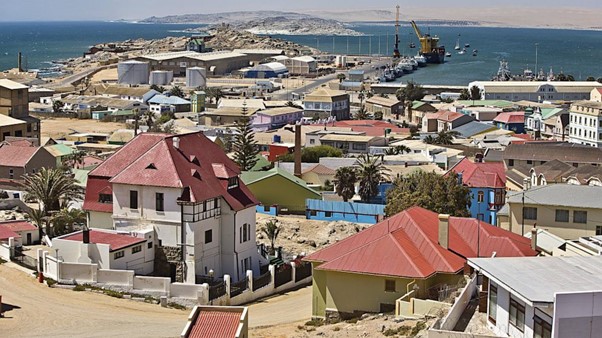 Luderitz port has been renamed !Nami=Nus and no, I am not making this up – the symbols are click noises from a local dialect.
Looking for a more environmentally friendly method to power future transportation has been the goal for successive generations of planners but until recently, hydrogen has been somewhat overlooked as most of the global hydrogen supplies have come from steam-treating coal or oil to separate the hydrogen from the carbon molecules. This is a massively wasteful process that really only moves the point of pollution and cannot really be described as environmentally friendly.
If you can sort out the production of hydrogen so it is not so polluting, it does have a great advantage and that is how it can be used relatively easily in many of the world’s existing power stations. Plus, there is also the fact that in theory, the supplies are abundant, almost inexhaustible, as in this model, our daily sunshine would be used to harvest the resource.
Globally, we do have a problem with a lack of investment in renewables, as I have often written about on this blog, with too much focus on forms of renewables that are too much at the mercy of finite resources (such as Cobalt) or the vagaries of the weather (wind and sunshine) and let us not forget the lack of investment. Most ASEAN countries are far behind the curve when it comes to renewable power and there will still be an overreliance on hydrocarbons in most countries of the trading block.

The plan in Namibia is to build massive arrays of solar and wind generation capacity so that the actual process of splitting the hydrogen from the oxygen atom in desalinated seawater will be in effect non-polluting. Can Namibia become a world energy powerhouse? Hydrogen molecules can be combined in various ways and can be used either in pure form or in the derivative green ammonia to create a range of fuels, including liquid ones that can be burnt in the already ubiquitous internal combustion engine.
The plant will be built by Hyphen Hydrogen Energy and is set to open in 2026 and should mean a turnaround in the fortunes of Namibia, with plans already for the country to leverage the position to become a major player not just in hydrogen, but in the synthetic fuel industry. When you consider that the project is set to cost about USD9 billion in a country that only has an annual GDP of a little over USD10 billion, you can start to fathom what this could mean to the country.
Of course, there will be a lot of challenges to overcome, not least the fact that Namibia is best described as a land of 5 deserts and thus the freshwater needed will have to come from desalinated seawater, which will push the costs up compared to some other countries in Africa that also have similar plans. Of course, where there is a will there is a way and already Namibia is inviting proposals for a second hydrogen project as early as 2022.