If you haven’t seen part 1, click here.
Nissan Figaro (1991-1992)
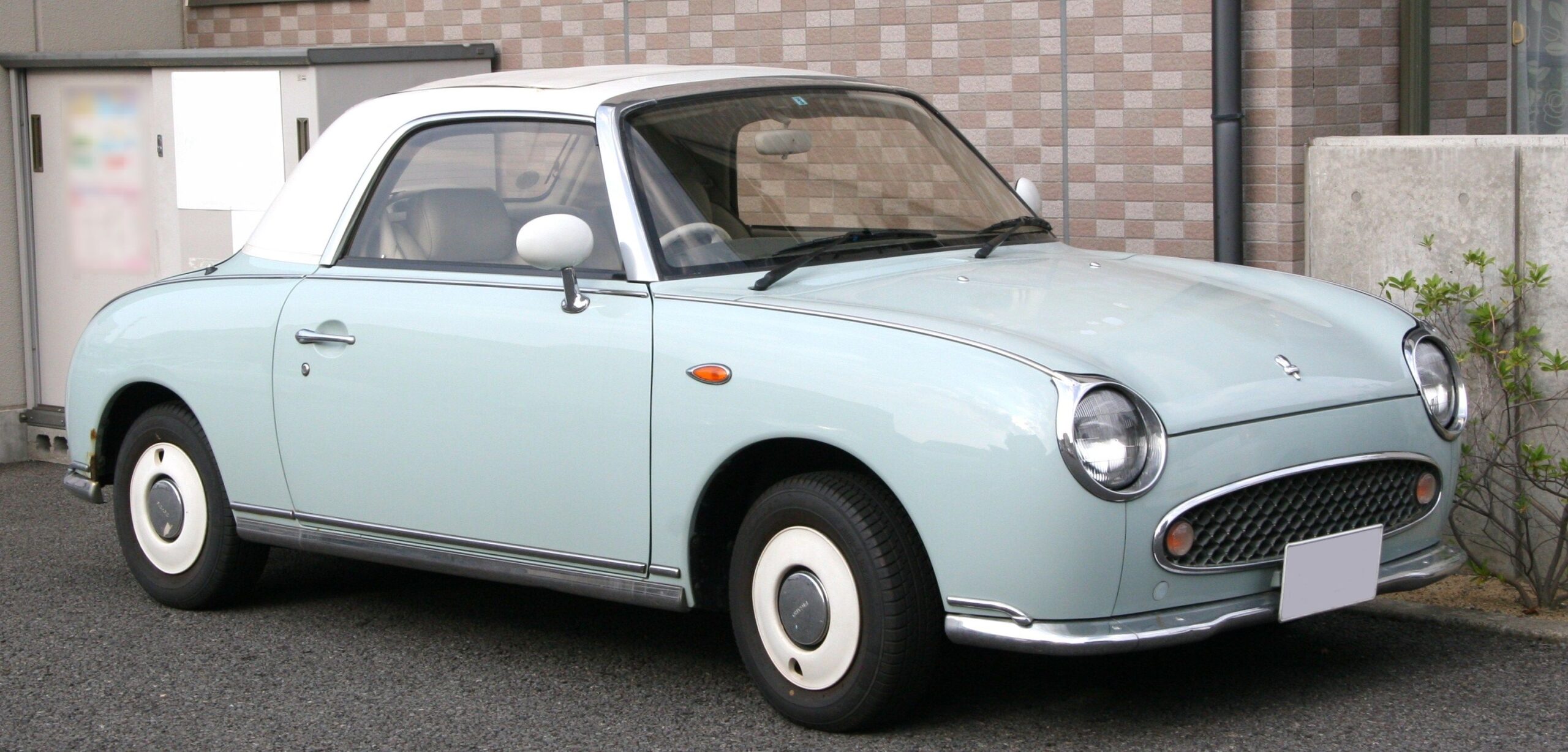
Built in the early 90’s to cash in on the classic car boom in Japan, this little retro-modern Kei car was given the nickname ‘Back to the Future’. Nissan showed off the Figaro concept at the 1989 Tokyo Motor Show and eventually developed and manufactured the car in 1991. The production for this car only lasted for a year and 20,073 units were ever produced. We still have a few of these running on our roads. The interior was also retro-styled with its ivory leather seats and contrasting piping, chrome and Bakelite-style knobs, soft-feel paint on the dashboard top, chrome-trimmed speedometer with smaller inset gauges for fuel and engine temperature and chrome-trimmed tachometer with inset clock. The Figaro was powered by a 4-cylinder one-litre turbocharged engine generating 76 hp and 106 Nm of torque through a 3-speed automatic transmission. This would be a classic for sure.
Daihatsu Leeza Spider (1991-1993)
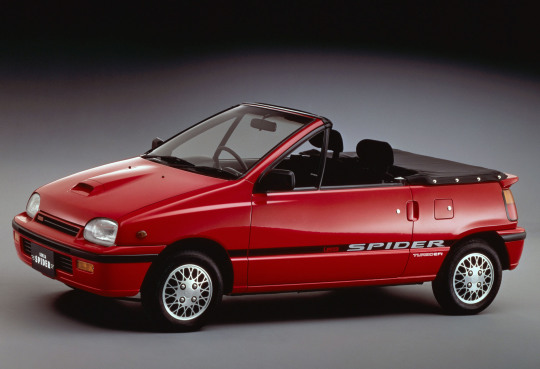
What would a Perodua Kancil have looked like if it was a convertible? Based on the Leeza coupe manufactured from 1986–1993, this was an interesting fun Kei car for the booming 90’s in Japan. Not only was it frugal, it was also aesthetically good-looking and affordable. The Leeza was a typical Kei car as it was just a rather conventional three-door hatch that conformed to the regulations and featured the usual tiny powerplant (initially 547 cc, later 659 cc). But in 1991 came this gloriously ridiculous variant, a turbocharged convertible called the Leeza Spider. Weighing at only 730kgs, The Leeza’s 3-cylinder, single overhead camshaft turbocharged powerplant provided power figures of 63 bhp and 92 Nm of torque. The power is supplied to the wheels via a 5-speed manual transmission. These cars never came to Malaysia, so finding one here would be almost impossible
Autozam AZ-1 (1992-1995)
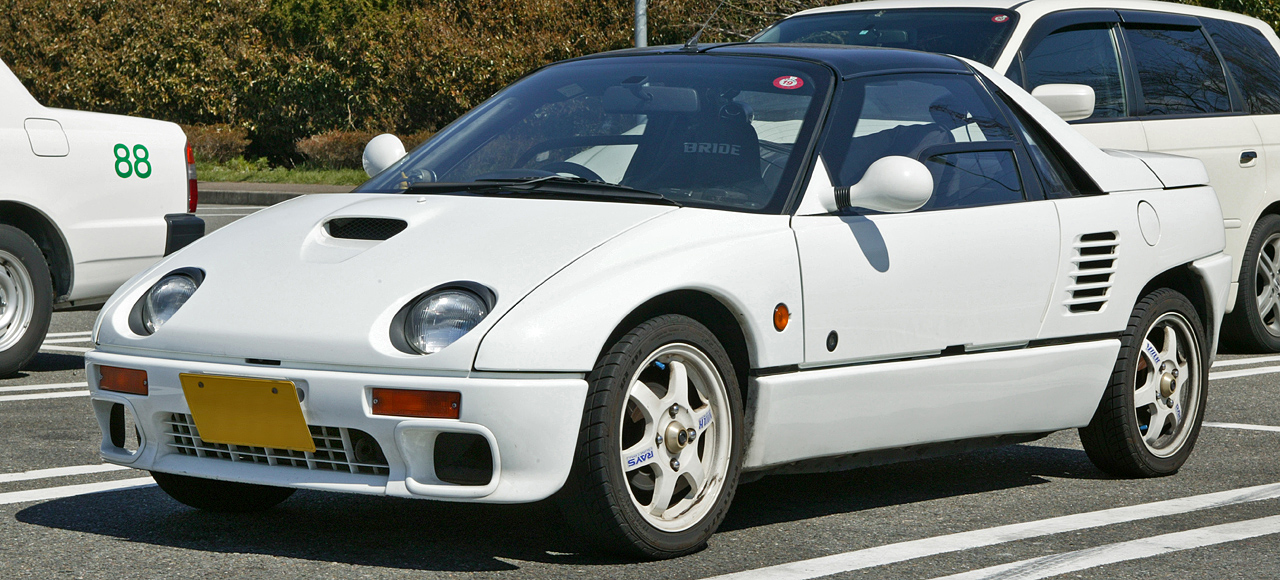
The AZ-1 is a mid-engine Kei-class sports car, designed and manufactured by Mazda under its Autozam brand for those who can’t afford a Lambo. The AZ-1 was launched in Japan powered by a Suzuki-sourced, transverse-mounted, twin-cam, 12-valve 657 cc turbocharged three-cylinder making 63 hp and paired with a five-speed manual. Unfortunately for this Kei car, the AZ-1 proved too small and expensive for many, and it struggled to comfortably fit two people, making no value for money. Then came the Japanese recession which ended its short lifespan. This ushered the little sports coupe out of production by the end of 1994. The unintended side effect was that the AZ-1 is now perhaps the rarest Kei-class sports car of its era. Just 4,392 were built in all. I believe there is one on display but not for sale at a showroom in Glenmarie.
Suzuki Cappuccino (1991-1998)
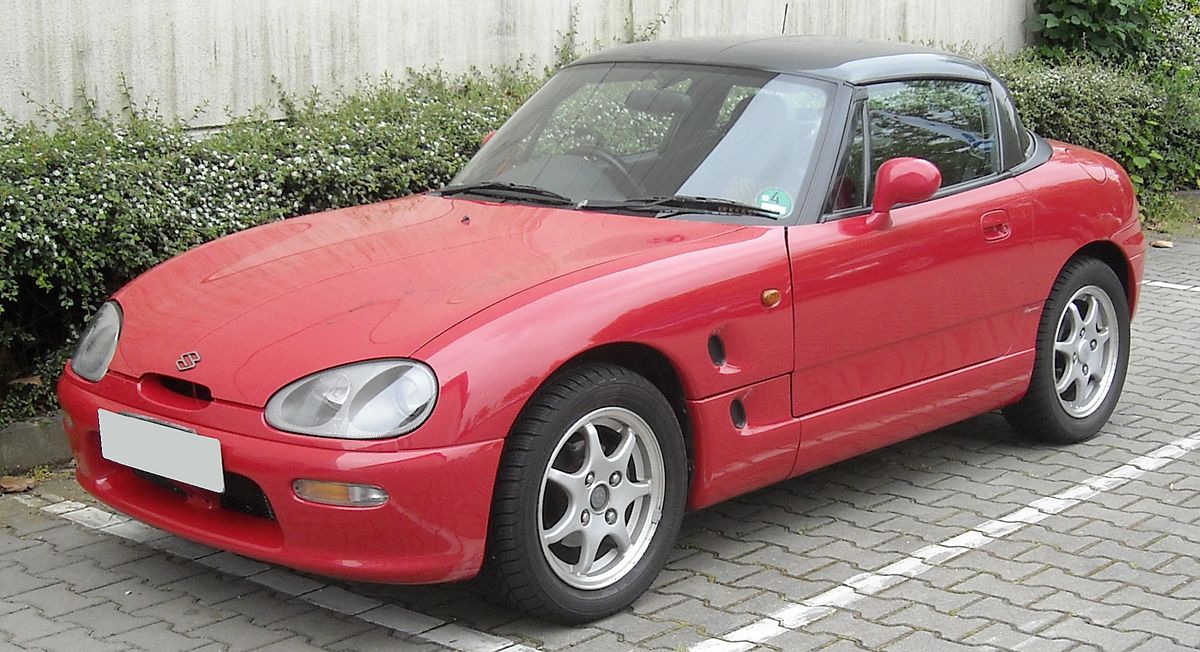
One of the best-known Kei cars made. With a fairly powerful small turbocharged engine which was mounted up front to drive the back wheels, some lightweight aluminium panels and enough power on tap, the Cappuccino could go all the way to 160 km/h. So, what made it so good? A combination of light weight, ideal styling, rear-wheel drive and perfect power to weight ratio were all the right ingredients it needed to make this a hugely enjoyable Kei sports car. Launched in 1991, the Suzuki Cappuccino has remained one of the finest examples of the breed. Weighing in at only 700 kgs and powered by a 660 cc turbocharged engine. This surprisingly sprightly little sports car will do 0-100 km/h in just over 8 seconds. Not bad for a 63 bhp 3-cylinder engine. This car was never imported in big numbers into Malaysia making it an extremely rare gem.
Suzuki Twin (2003-2005)
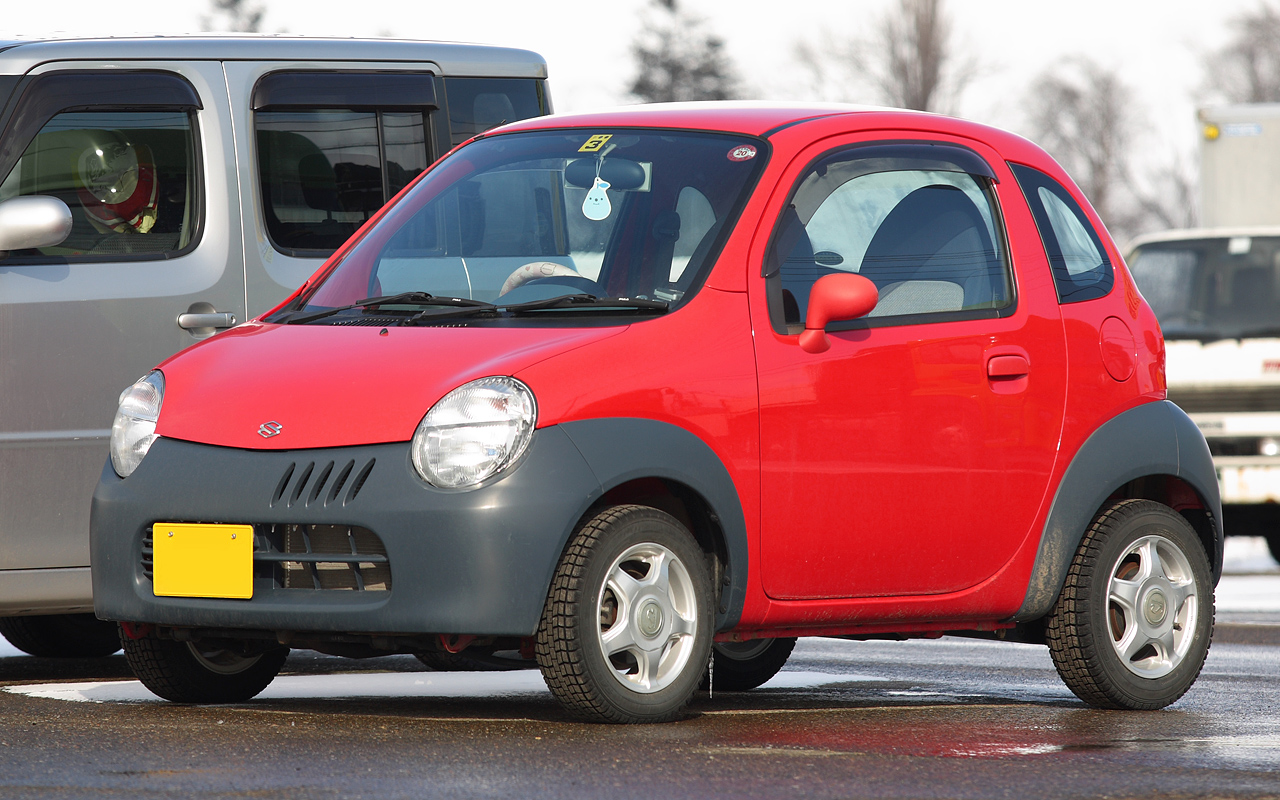
Who needs a Smart For Two when you can have one of these? Not only did the Suzuki twin look cute, but it also ushered in a new era of high-tech powertrains for the Kei car class as it was available in hybrid form, making it the first hybrid Kei car in Japan. or a conventional three-cylinder petrol unit. Primarily built to appeal to the ladies, it was also conceived to compete in the Smart For Two segment. Being slightly longer than the Smart For Two and with a foldable passenger seat, this car was more logical for an IKEA run in comparison to the Smart. It was far more affordable too. That being said, the car only had a production run of two years and didn’t drive as well as the Smart.
Toyota IQ (2008-2015)
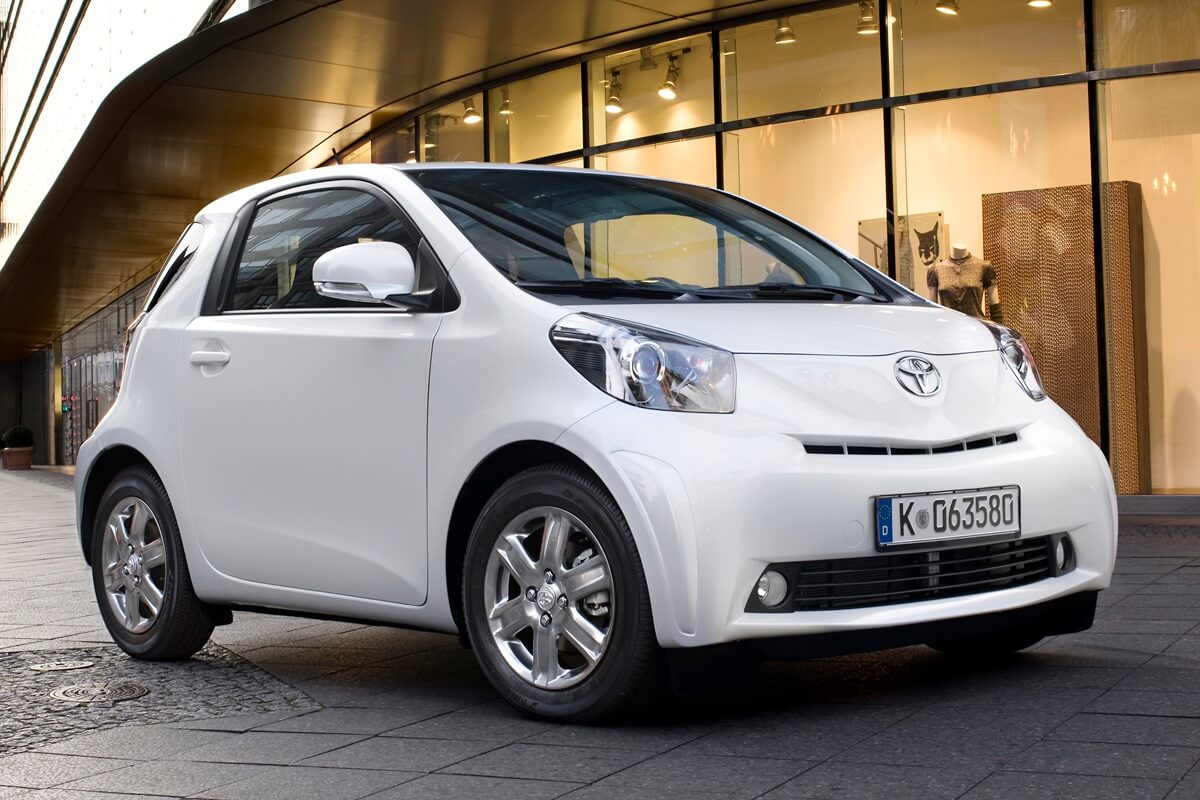
Previewed at the 2007 Frankfurt Auto Show and launched in 2008, the Toyota IQ is quite a remarkable little Kei Car. It is a stylish, low-cost, high-quality city car with a difference and is the smallest four-seater in the market. Despite being less than three meters long, it is brimming with space-saving tricks and the cabin is surprisingly roomy, especially for the front passengers. Launched with a 1.0-litre 3-cylinder engine, it was eventually updated to a 4-cylinder 1.3-litre engine with much more power. and making this not only manoeuvrable, but also fun to drive.
Honda N-One (2012-Present)
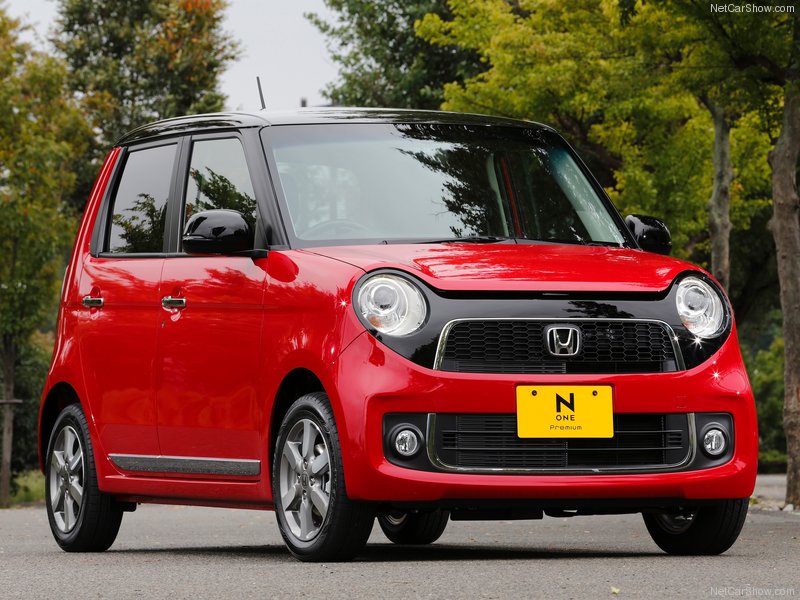
Featuring styling reminiscent of the 1969–1972 N360, the N-One was introduced in 2012 as a new addition to Honda’s Kei car lineup. Incorporating Honda’s newest 660 cc 63 bhp DOHC three-cylinder engine with a continuously variable transmission, it is marketed as a premium vehicle and incorporates standard features uncommon for its class. The N-One is shockingly roomy inside, with plenty of space for four adults. Overall, this car has reinvented the concept of Kei cars with its styling and tech. I don’t think we will ever get this on our shores, but if we do, it is bound to be tagged with a premium price tag.
Honda S 660 (2014-Present)
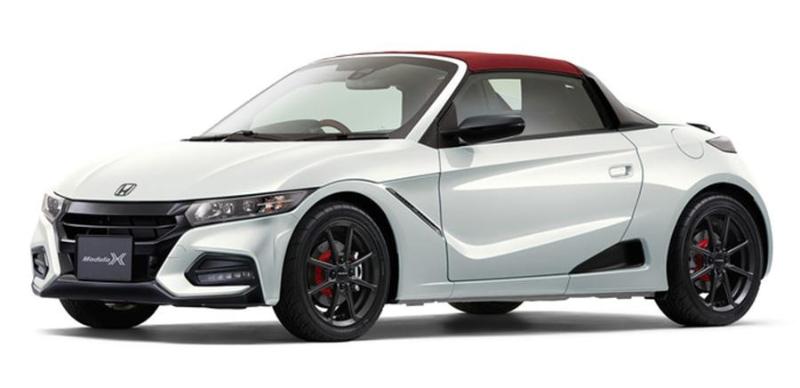
The S660 is the result of an in-house contest that began four years ago, with 400 young engineers submitting their ideas for new vehicles, and the S660 design came out on top. Thanks to them, we now have what we can perhaps call a crossbreed between a Kei car and a Go-Kart. I got a chance to test drive one of these about a year back and I must say, driving in a very spirited car like that was really fun. Although it shares the same platform as the Honda N-One, this was designed to take you round the bends with a naughty grin on your face. All powered with a punchy 660 cc turbocharged engine pumping out a meek 63 bhp. Doesn’t sound like much, but combined with a weight of 830kgs and 45/55 weight distribution, this Kei car is the business.