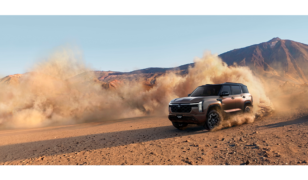
The Dodge Charger EV: A Misguided Leap into the Electric Future
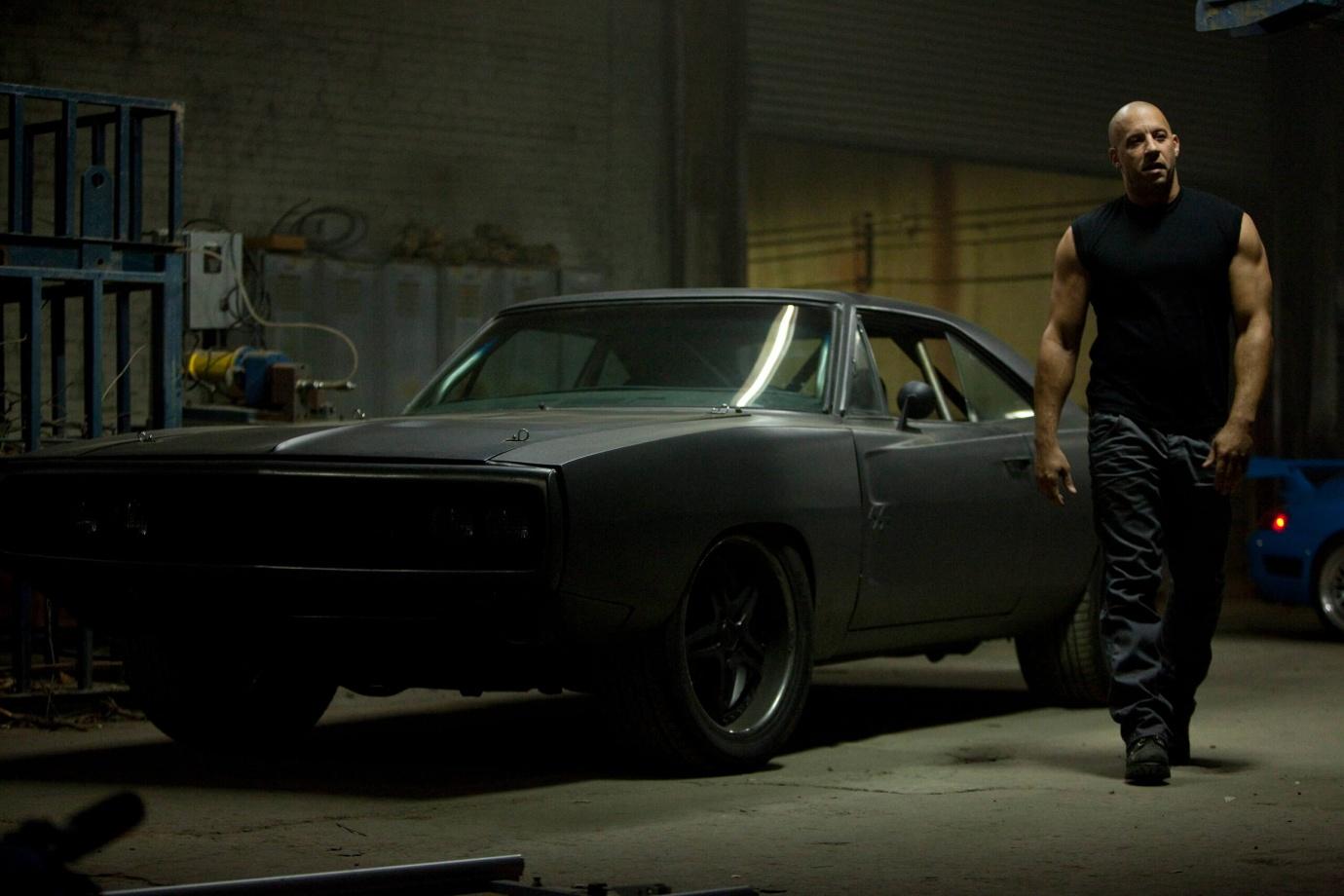
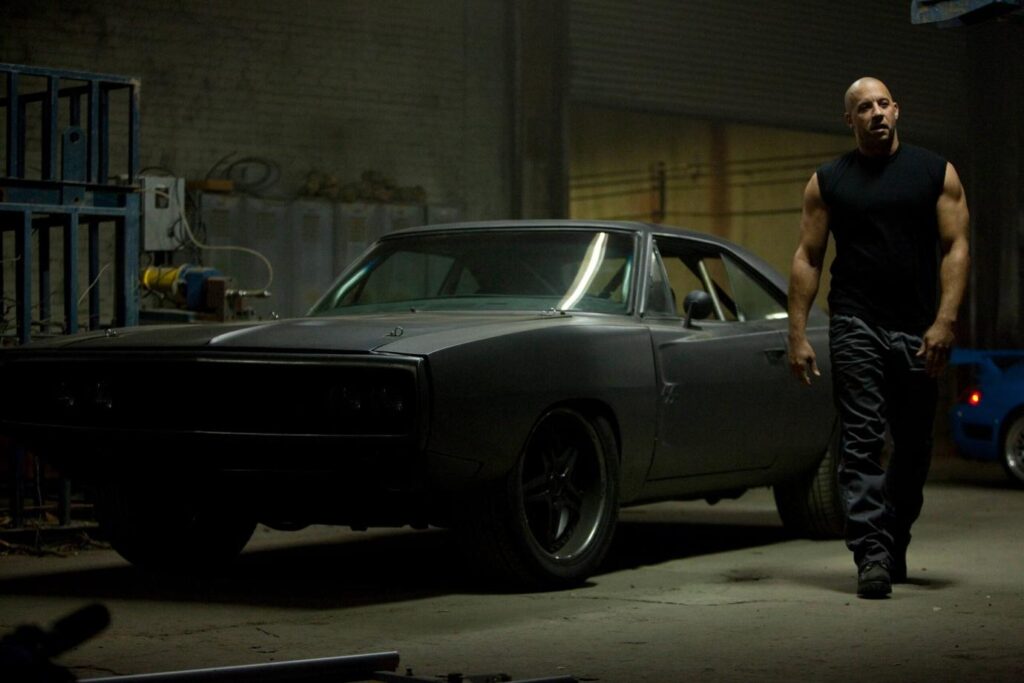
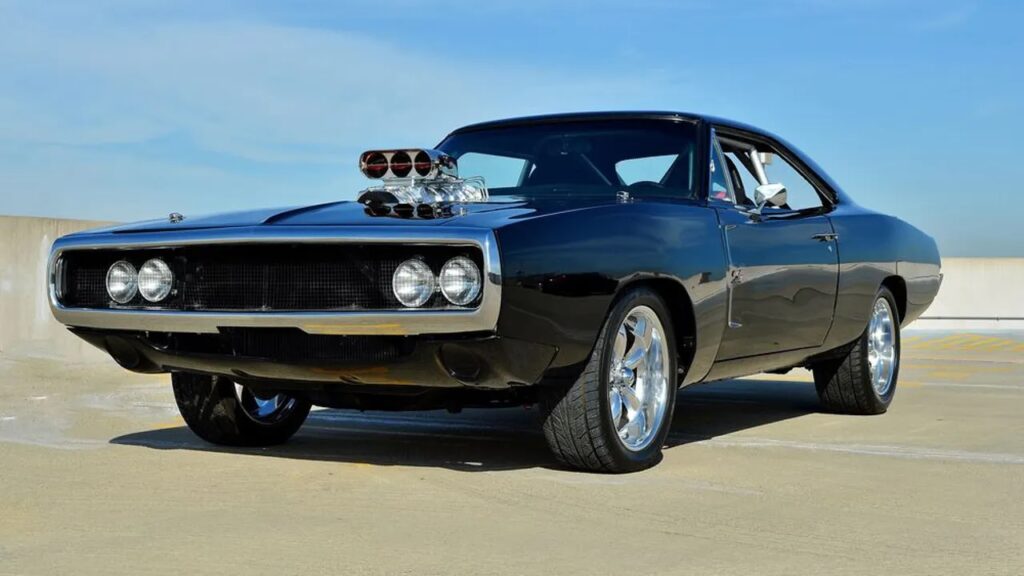
The Dodge Charger, Iconic American Muscle Car featured in films like Bullit, The Dukes of Hazard and of course Fast and Furious. It has long been a symbol of American muscle, revered for its raw power, throaty exhaust notes, and aggressive styling.
And then the woke brigade messed with it with the recent introduction of the Dodge Charger Daytona EV. This marked a significant departure from its heritage, and not in a way that resonates with its loyal fanbase. Rather than evolving the Charger into a modern performance vehicle, Dodge’s foray into electric propulsion has resulted in a product that feels disconnected from its roots and out of touch with market realities.

Oh those Dukes of Hazard County
One of the most jarring aspects of the Charger Daytona EV is its attempt to mimic the iconic V8 engine sound through artificial means. This caused an aesthetic and auditory disconnect of almost biblical proportions.
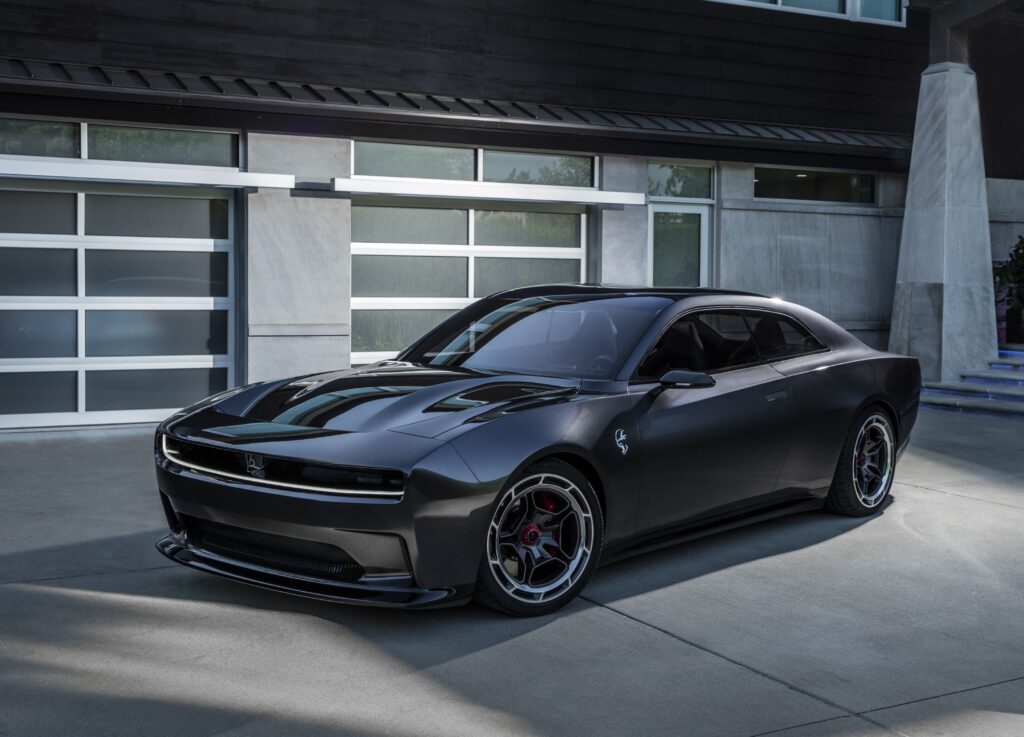
Dodge, in their infinite wisdom, equipped the Charger-EV with external speakers designed to emit engine-like noises, a feature that many enthusiasts find disingenuous and off-putting. As one critic aptly noted, “Real ‘muscle heads’ will laugh at you for making fake V8 noises”, yes, yes we will. This move not only undermines the authenticity of the Charger brand but also alienates purists who cherish the visceral experience of a naturally aspirated engine.
The public hated it and unsold units have been clogging up dealerships forecourts even after a massive USD20,00 discount was offered. Regardless of the marketing noise Dodge tried to create, despite the fanfare surrounding its launch, the Charger Daytona EV has struggled to capture consumer interest.
In the first quarter of 2025, Dodge sold only 1,947 units of the Charger Daytona EV, while more than 1,900 units of the outgoing internal combustion Charger and Challenger models were sold during the same period . This stark contrast highlights a clear preference among consumers for traditional muscle cars over their electric counterparts. Why are we not surprised?
Adding to the Charger Daytona EV’s woes are reports of technical issues that undermine its credibility. Some units have arrived at dealerships with significant battery problems, colloquially referred to as being “bricked,” rendering them inoperable until costly repairs are made. Such reliability concerns are particularly troubling for a brand that prides itself on performance and durability.
It would now appear that the Charger brand is at a crossroads. Dodge’s pivot to electric vehicles appears to be a hasty decision driven more by regulatory pressures than consumer demand.
The Charger Daytona EV feels like an attempt to modernize the brand without a clear understanding of what made the Charger iconic in the first place.
As one observer succinctly put it, “I think the Charger/Challenger made up something like 60% of their annual sales, so to kill their two most iconic cars for an increasingly unpopular EV model seems so stupid and inept” .
The Dodge Charger Daytona EV represents a misguided attempt to transition an iconic muscle car into the electric age. By forsaking the elements that endeared the Charger to its enthusiasts, raw power, authentic sound, and aggressive styling Dodge has alienated its core market.
Without a clear understanding of its heritage and the desires of its customers, Dodge risks tarnishing the legacy of one of America’s most beloved performance vehicles.