E-Valet: You’ll Never Circle A Parking Lot Ever Again!
Soon, we can just swipe a finger, and our car will skedaddle off and find a parking space for itself.
GM’s Mary Barra teases audience in recent speech.
It looks like the brave new world of autonomous driving has moved a step closer with the announcement by General Motors CEO, Mary Barra, during a recent speech; as of 2017, Cadillac’s will come with the option of Super Cruise Control that will enable cars fitted with it to cruise on the highway without being steered by a driver.
The Peugeot Exalt concept car, which appeared in the Beijing Motor Show last April and set all hearts aflutter, will be appearing in the upcoming Paris Motor Show, with several interesting (and one exciting) updates.
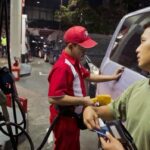
Indonesia’s new president, Joko Widodo, who is commonly known as Jokowi, looks set to raise the price of fuel in Indonesia as early as October in a bold move that pitches the archipelago nation’s love of cheap fuel against the need to free up State funds for investing into South East Asia’s largest economy. In the past, Indonesia was a net exporter of oil products and a member of OPEC, but the production rates have dropped and consumption increased to a level that now the country needs to import crude and refined products. The current subsidy system sees the once proud member of OPEC importing crude and ready refined products at a cost of about US$1 per litre, but sells it for about 55 cents at the pumps – the same place where it will cost you about eighty five cents to buy a bottle of water.
While we’re not sure whether these alternative and re-imagined modes of transportation are here to stay, we cannot deny that they are certainly interesting.
Following China’s crackdown on monopolistic practices in the auto industry, the Competition Commission of India (CCI), the government body that enforces the country’s Competition Act 2002, has slapped hefty fines on 14 automakers in India, which had been found to have “imposed absolute restrictive covenants and completely foreclosed the after-market for supply of spare parts and other diagnostic tools”.