Study: Permanent Daylight Saving Could Reduce Car Accidents and Deer Deaths
The USA, UK, most of Europe and a few other countries in the world still observe daylight saving time, whereby they advance the clock for an hour for a few months a year before reverting to standard time, to coincide people’s most productive hours with daylight. The practice dates back to WWI when it was adopted to conserve fuel and power. Today, it is still a thing.
In the USA, clocks revert from daylight saving back to standard time in November (just yesterday) but a recent study published in Current Biology warned that that the shift could cause a spike in car crashes and deaths of both humans and deers.
UBAH RON95 KEPADA RON98 DENGAN X-1R OCTANE BOOSTER:

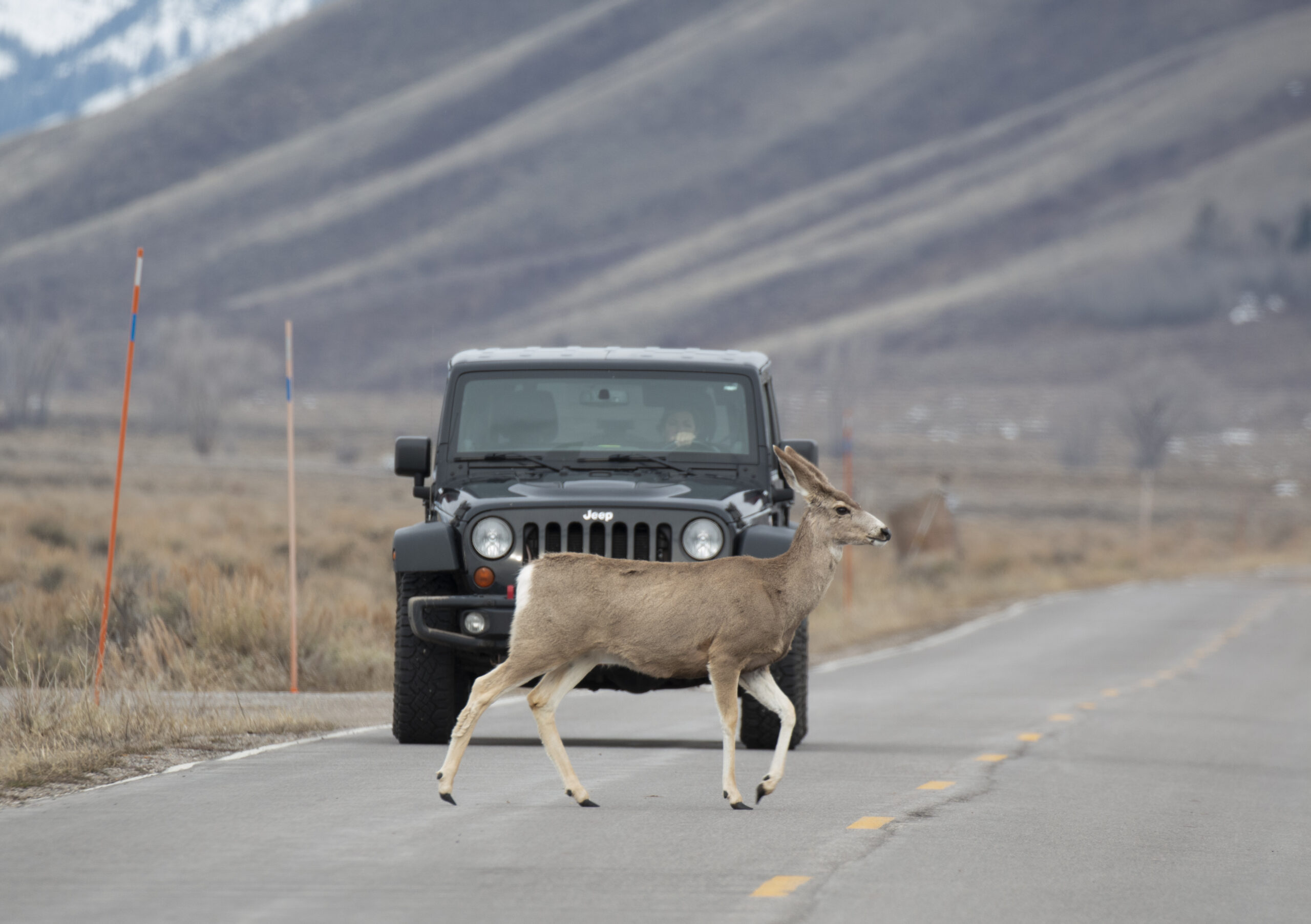
The shift back to standard time means that mornings are brighter but evenings are darker. Deers are most active during the twilight hours of dawn and dusk, and especially in the fall when mating season begins, which leads to increased “activity levels”; coincidentally, there are more cars driving in the dark after the clock is brought back. These two situations occurring at the same times are just accidents waiting to happen.
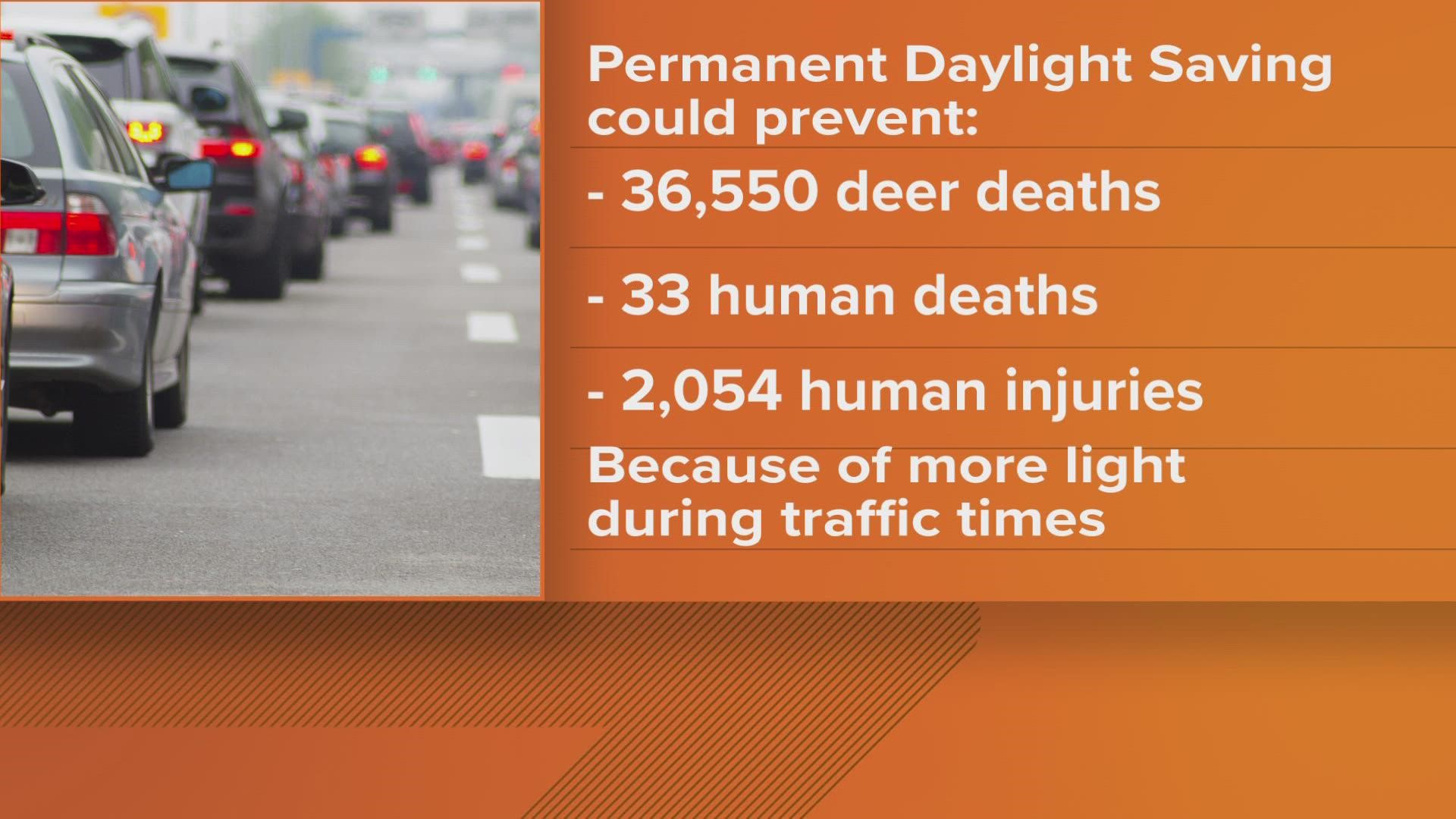
The study conducted across 23 states between 1994 and 2021 found that vehicle collisions involving deers peak in the fall, with almost 10% of it occurring during the two-week period around the time shift. The study found that more than 2,000 cases of human injuries, and 30 human and almost 37,000 deer fatalities are linked to this shift. The researchers propose that permanent daylight saving time would help prevent these injuries and deaths as well as reduce US$1.19 billion in damages.
An earlier study published in the same journal in 2020 found that the arrival of daylight saving time increased the frequency of road accidents too, but in the mornings. With the clock shifting forward by an hour, drivers drive to work in darkness and having had less sleep, both of which contribute to accidents.
Even among those who advocate for sticking to one time throughout the year can’t agree which is better: brighter mornings or brighter evenings? Well, according to sleep experts, the human body benefits from more morning light and dimmer evening, which is standard time. But what is good for humans would unfortunately literally cause more deers to be caught in headlights.