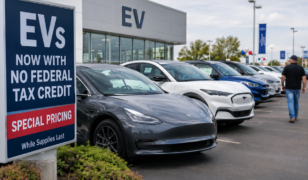
There have been countless stories over the past few weeks about the Toyota 1 : 6 : 90 rule; the questions are: what is it and do they have it right?
The path to the future would seem to be all about new technology, but Toyota do not agree, they are emphatic about the need for a mixed future where Electric Vehicles (EVs) are mixed with Hybrids, Gas Powered, and Hydrogen vehicles with each having a pretty defined place in the transportation mix.
The 1 : 6 : 90 rule was outlined in a document intended for internal discussion only—and is now circulating around the InterWeb—suggests that the company is steering in quite a different direction to the others and are not at all in love with the Electric Vehicle fervour that has engulfed most others.
Is this a footnote in automotive history or is it a completely new sub-plot or twist in the current narrative. At that heart of the revelation is a major nod to the road blocks that litter that path for complete EV dominance.
The major factor is the lack of raw materials. In short, Toyota claims that the materials that go to make One Battery only EV (BEV) would make 6 plug-in Hybrids and 90 traditional hybrids (like the Prius). In addition to this, they claim that over the lifespan of the 90 hybrids the carbon reduction effect is 37 times greater than that of a single battery. And let us not delve into where we are going to get the electricity to power all of the batteries
By utilising current technology and reimagining it in a different way, they claim that they can significantly reduce their carbon footprint—and by a lot. The company believes that this will see their fleet become 90% more efficient by 2050 which incidentally is when world populations will begin to crash.
As our appetite for batteries grows, there is legitimate concern that there is not enough resources to go around. Estimates say that there’s a need of 300 new mines by 2035 to feed this appetite abound, and that probably is not possible.
Toyota’s plan is to alleviate this gridlock by offering a mix of vehicles that are more suited to the task in hand. Small BEVs are suitable when you are not venturing far from home, you know the school run.
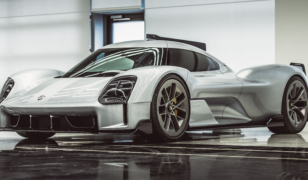
Cars that are needed for mid to long range use would be better if they were Plug in Hybrids (PHEV) or better still Straight Hybrids where there is a Gas engine that can run synthetic fuels like those developed by Porsche.
For heavier vehicles like buses and trucks they are suggesting Fuel Cell Vehicles that run on hydrogen would be the obvious alternative.

The Toyota product future product mix, makes sense to me.
There are many others that are starting to think that innovation is not always about wholesale transformation, sometimes you simply need to look at what tools we have at our disposal and reimagine them to make them work smarter.
Toyota and quite a few others are trying to redefine the sustainable future, as the industry is starting to wrestle with the idea that perhaps the future is not electric but may well be ECLECTIC.