Honda: From Civic to Crisis
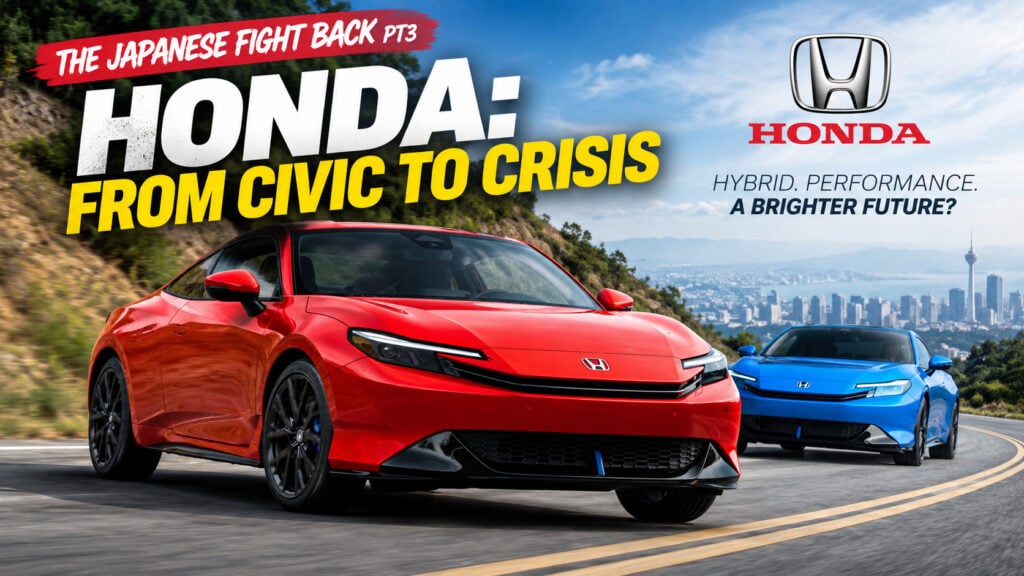
Honda has always been the slightly eccentric member of the Japanese family. Toyota built cars for everybody. Honda built cars for people who secretly wanted to be engineers.
The company gave us screaming VTEC engines, Type Rs, the S2000 and the NSX. It even built lawnmowers that seemed capable of revving to the moon. Then electrification arrived and Honda discovered that being brilliant at petrol engines isn’t much help when your competitors are selling software on four wheels.
The numbers are ugly. Honda’s Chinese sales have collapsed, and the company is now embarking on a massive cost-cutting programme, targeting more than $9 billion in savings by 2030. Reuters reported that Honda is demanding substantial reductions from suppliers while reconsidering its EV strategy and putting greater emphasis on hybrids.
But Honda hasn’t forgotten what made Honda special. And perhaps the best example is sitting right in front of us.
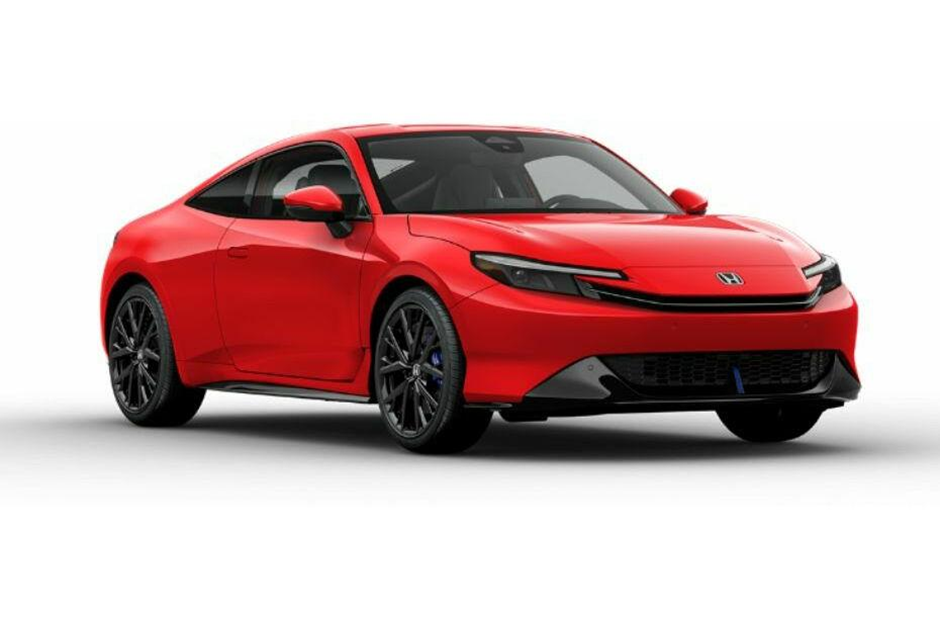
The Prelude. The name has returned. And it isn’t some enormous battery-powered SUV with a refrigerator masquerading as a centre console. It is a two-door hybrid sports coupe.
Honda’s 2027 Prelude uses a 2.0-litre Atkinson-cycle engine and two-motor hybrid system producing 200 hp, with the company’s S+ Shift technology designed to make the car feel more involving. And, rather wonderfully, the Prelude has already arrived in Malaysia.
Honda Malaysia launched the sixth-generation Prelude in June 2026 at RM278,000.
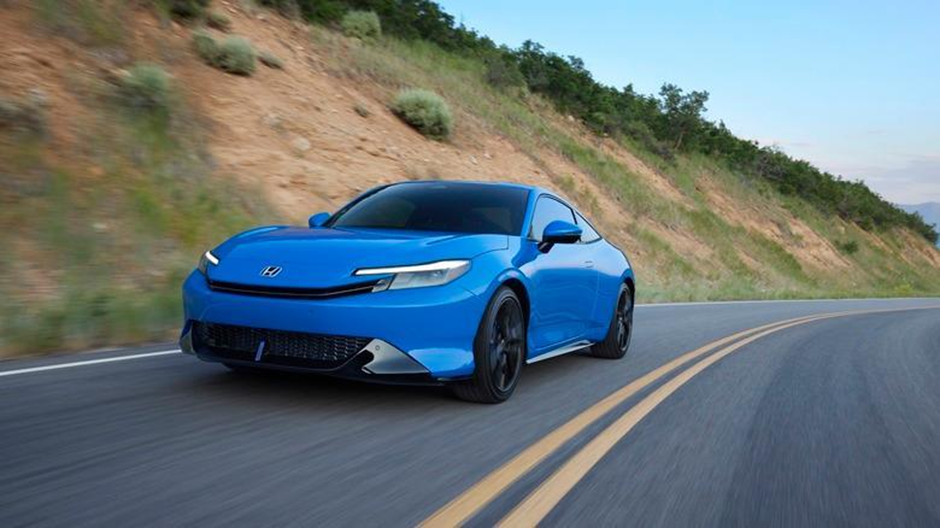
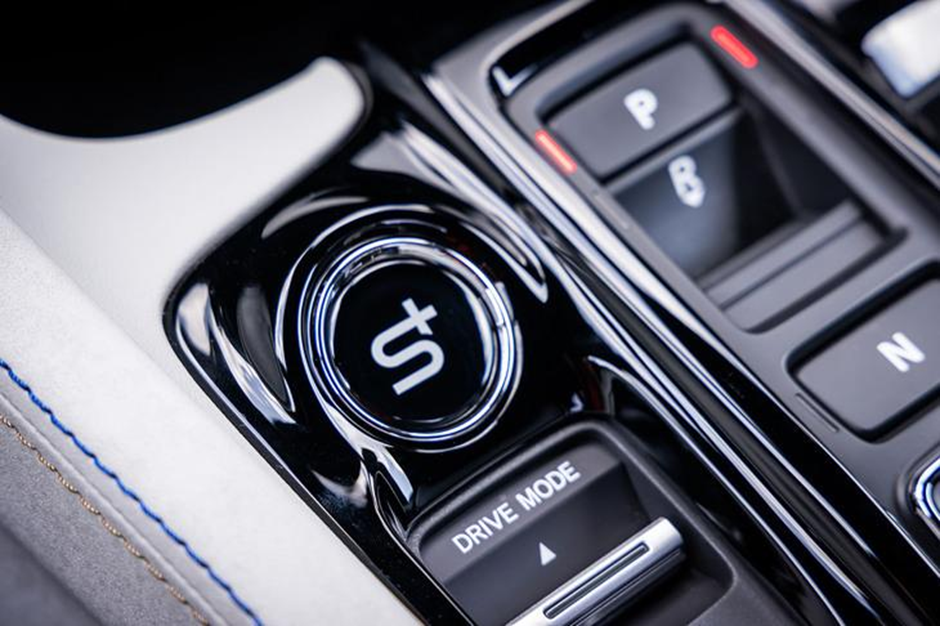
This may be more significant than it appears. Because Honda’s fightback cannot simply be about batteries. It has to be about Honda. That means technology, efficiency and electrification but also engineering, handling and character.
Honda’s 0 Series EV programme will eventually provide the pure-electric component of the assault. But the Prelude suggests that Honda has realised something important: The transition to electrification doesn’t mean the death of interesting cars.
Perhaps the future Honda isn’t either petrol or electric. Perhaps it is both.
And if Honda can combine the efficiency of its hybrid technology with genuinely exciting design and driving dynamics, it might just rediscover the thing that made people love the badge in the first place.
Which would be useful. Because at the moment Honda needs rather more than another touchscreen.