Nissan’s problem is rather more serious than the other legacy Japanese Automakers. If Toyota is the giant awakening from its slumber, Nissan is the patient being wheeled rapidly towards the emergency department.
The company has suffered years of financial and strategic problems while its once-formidable position in China has been eaten away by domestic manufacturers. In August 2026, Nissan’s Chinese sales fell by 51.9%. Its China production capacity is also being reduced substantially.
That’s not a bad month. That’s a cry for help.
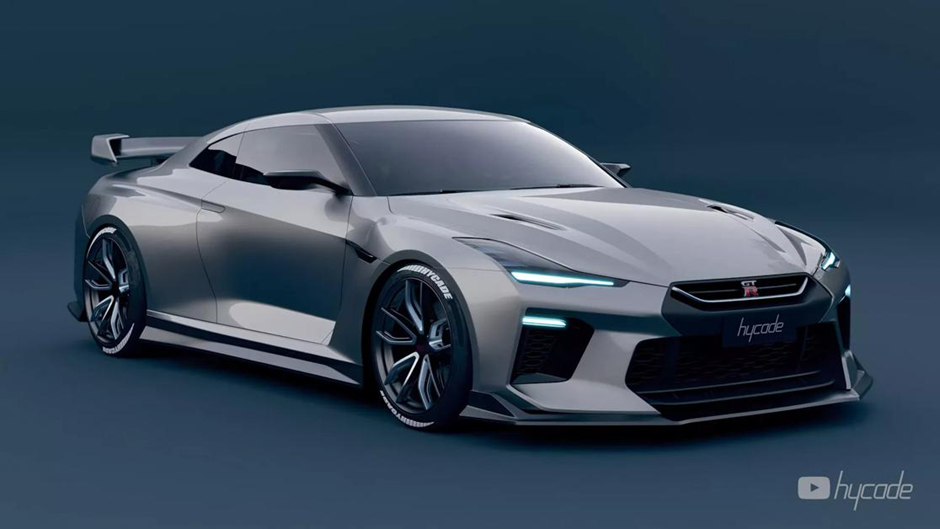
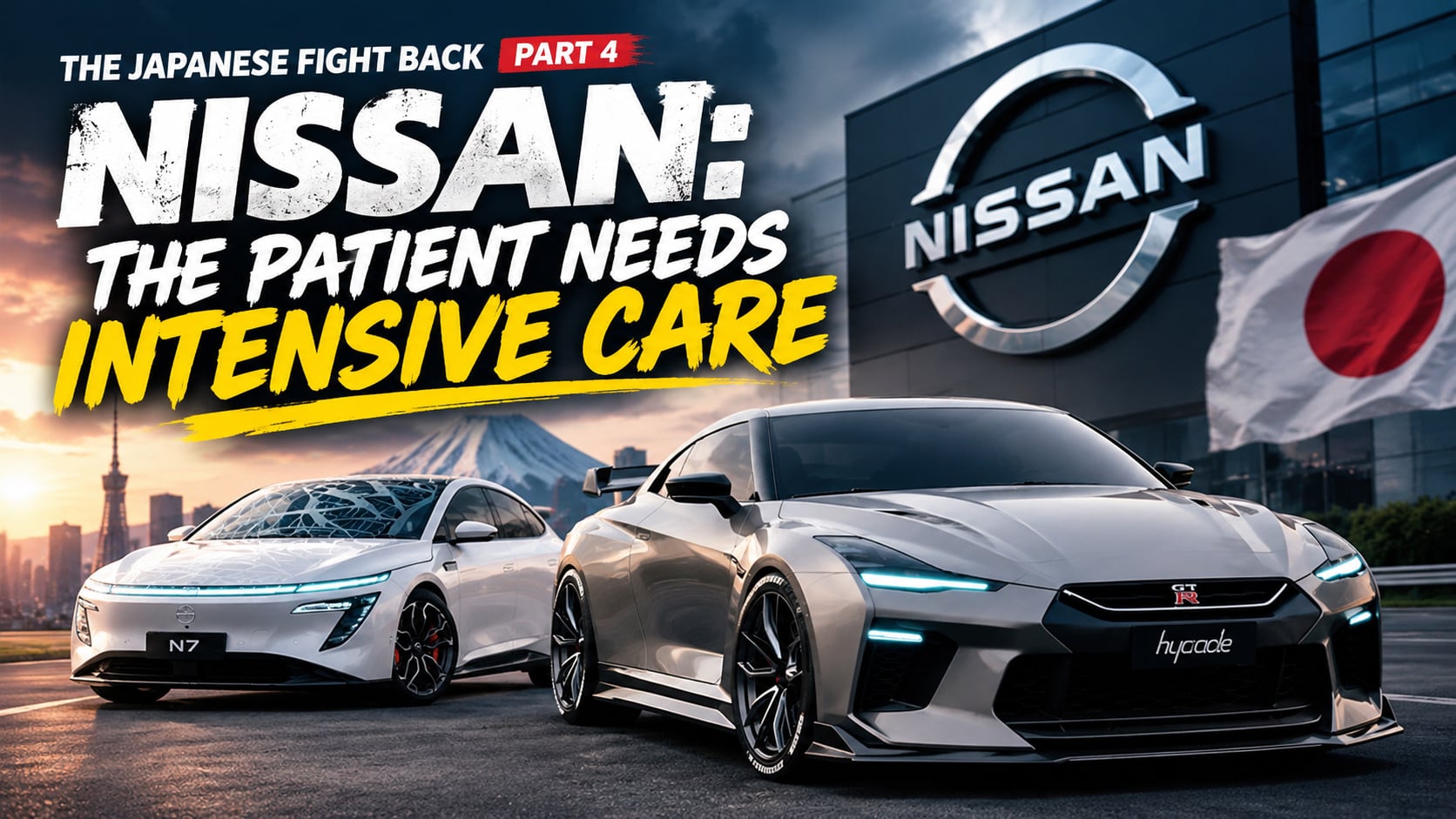
Yet Nissan has something potentially very valuable. It has history, it has legends. GT-R. Z. Skyline. Patrol. And, of course, Leaf (okay perhaps not the last one). The question is whether Nissan can turn that heritage into something relevant to a new generation.
Its technological response is built around electrification, batteries and software. Nissan has previously outlined next-generation NCM lithium-ion, LFP and solid-state battery technologies, alongside an evolution of its Pro-PILOT autonomous-driving technology.
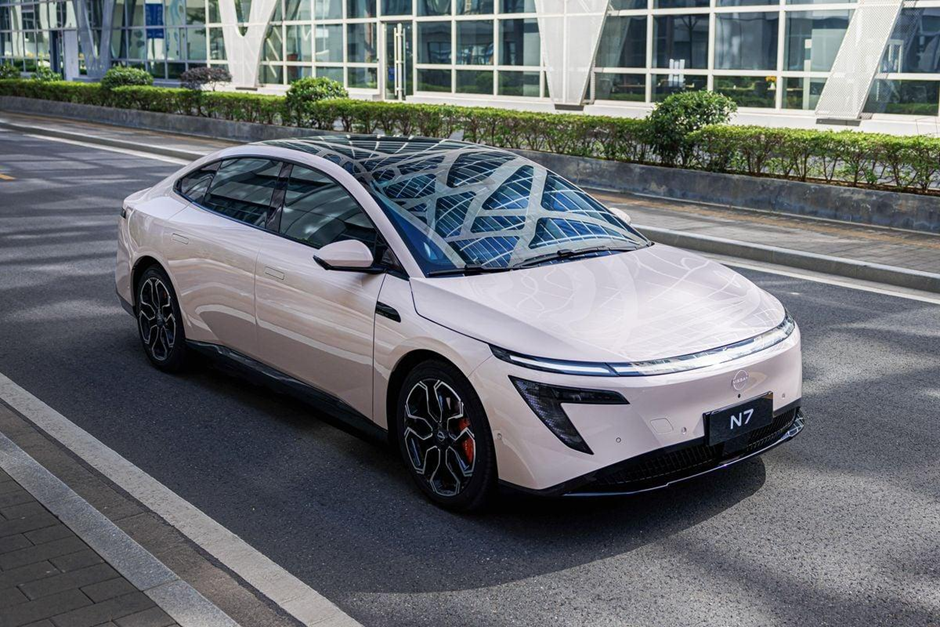
And Nissan is already moving faster in China with its N-series new-energy products. But here’s the difficulty. Nissan isn’t competing against the competition of 1995. The lumbering US and Euro giants who believed in the ‘if I build it they will come’ philosophy. Companies that had a decade long gestation period for a new model.
No, it’s competing against companies such as BYD that can develop cars at extraordinary speed and integrate batteries, motors, software and electronics under one corporate roof.
So perhaps Nissan needs to rediscover its greatest asset. Being slightly mad!
The GT-R wasn’t created because somebody conducted a focus-group survey and discovered that customers wanted a sensible four-seat sports coupe. It was created because Nissan engineers apparently thought, “Wouldn’t it be funny if we embarrassed Porsche?”
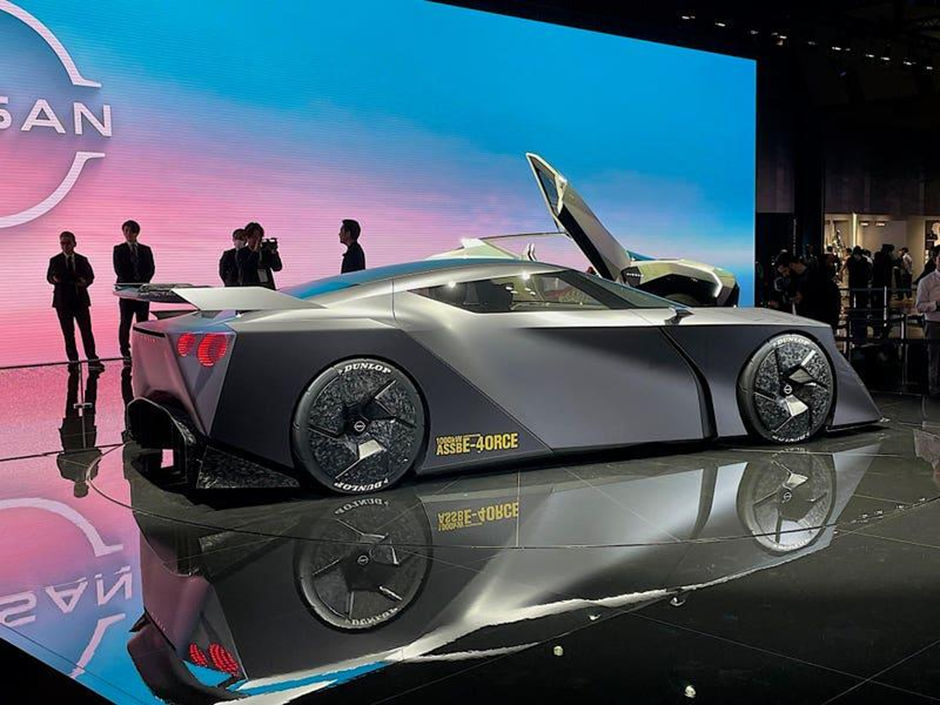
That attitude matters. The Japanese fightback needs rationality; but it also needs irrationality. It needs cars people want rather than merely cars they can justify. Nissan’s future may therefore depend on whether it can combine its new technology with the emotional appeal of its most famous names.
Because if Nissan becomes just another company selling competent electric crossovers, there are already dozens of Chinese companies waiting to do that cheaper. Nissan needs to give people a reason to say: “I want that one.”