Forget U.S. Tariffs and Chips, Chinese EVs Threaten Honda Across Southeast Asia
While the US and Europe obsesses over tariffs and semiconductors, a far more immediate threat is brewing much closer to home for Honda, right across its Southeast Asian backyard. The quiet but relentless invasion of Chinese EVs is reshaping markets that Honda once ruled with near-feudal dominance.
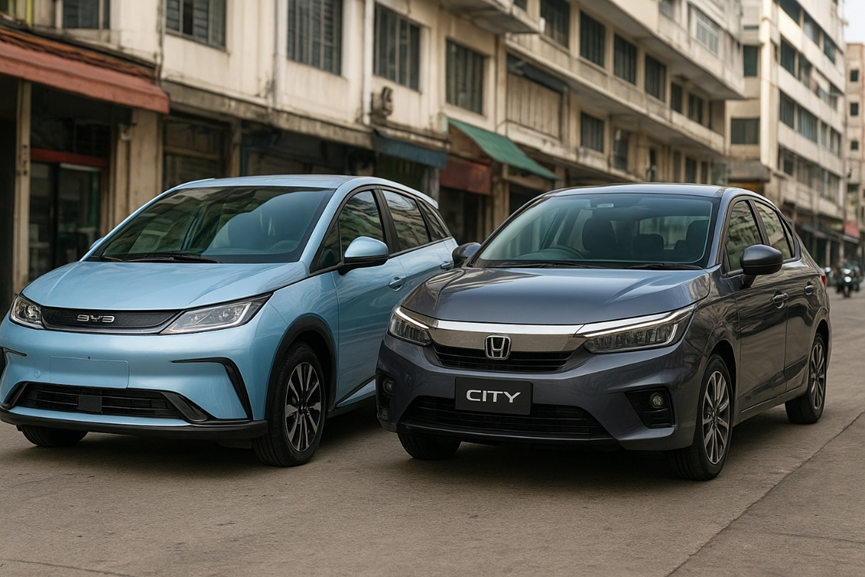
For decades, Honda has been the brand of choice for the region’s middle class. From Bangkok to Jakarta, a City or Civic parked in the driveway was the sign you’d “made it.” But now, the new status symbol glides silently past, a BYD Dolphin, a MG4, or a Great Wall Ora, all sleek, fully loaded, and astonishingly cheap. The Chinese have figured out the formula: style, tech, and affordability. Honda, meanwhile, is still humming along with its “mild-hybrid maybe” strategy.
Thailand is already being swarmed. The country’s EV incentives have opened the floodgates to Chinese manufacturers who can afford to undercut Japanese pricing by 20–30% and still turn a profit. Indonesia is next, and Malaysia won’t be far behind. Chinese factories are springing up across the region like mushrooms after rain, and local consumers are lapping it up.
Honda’s once-dominant ICE lineup is starting to look like yesterday’s tech, efficient, yes, but unexciting. The company’s hesitation to go fully electric, its reliance on half-measures, and its lack of a compelling EV identity leave it dangerously exposed.
It’s ironic: the Japanese once dethroned the Americans by building better, cheaper, more reliable cars. Now the Chinese are using the same playbook, but with batteries instead of pistons. Unless Honda finds its spark fast, it could find itself relegated to history’s scrapyard, watching silently as China drives off with Southeast Asia’s automotive future.