Thailand Considers Trade-In-Scheme to Boost Domestic Car Sales
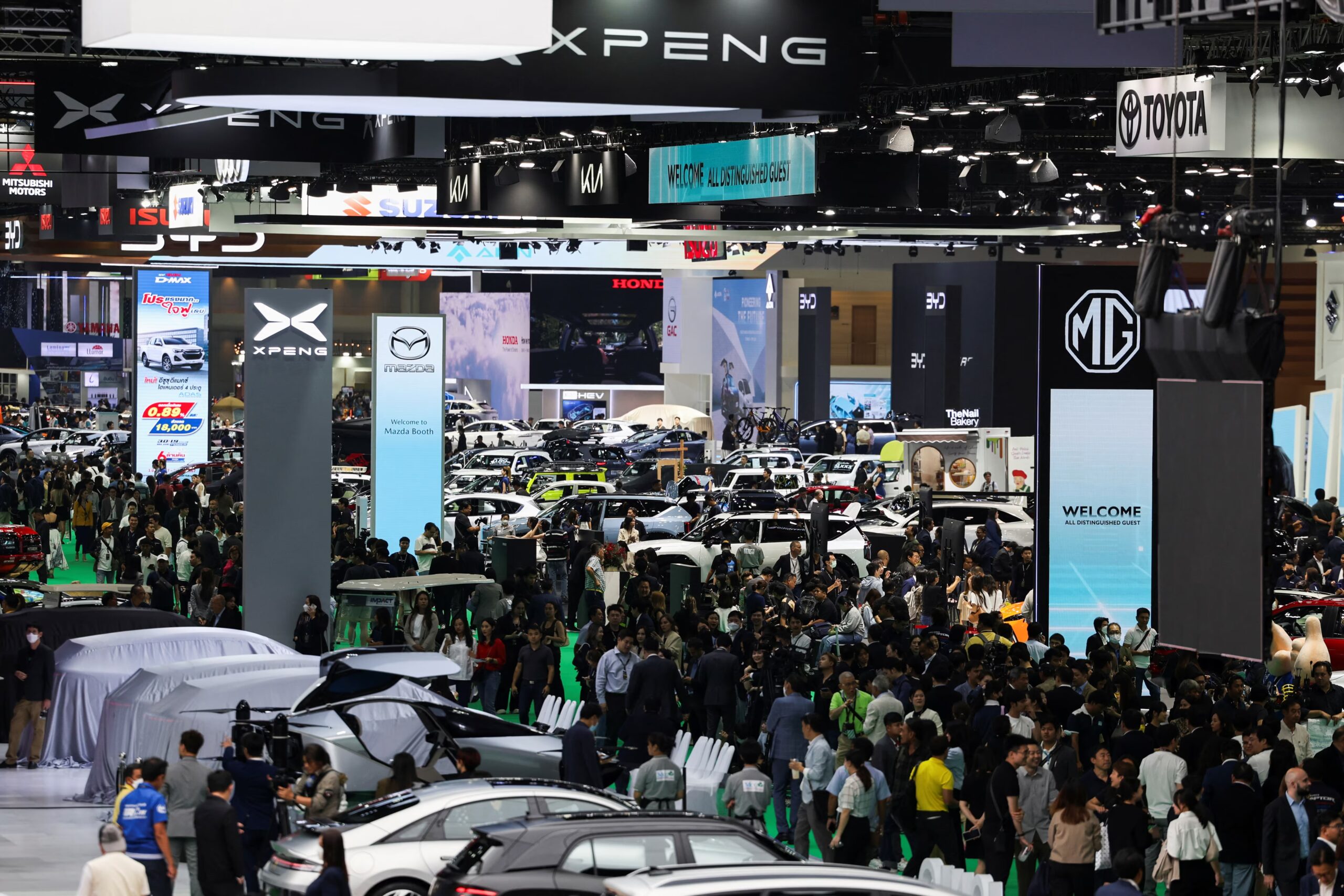
Rumours from the Thailand automotive sector suggest that the Government is considering introducing a trade-in scheme for old cars to stimulate new car sales and help revise the industry, which is in the middle of its biggest slump for decades.
Until now, the Thai Auto manufacturing sector has been a resounding success, but with the relentless flow of cheap (and subsidised) Chinese EV sales, car production has slumped. This has been exacerbated by a slowdown in exports, largely due to the same reason, and a massive spike in household debt that has also impacted sales of new vehicles.
Japanese manufacturers have long been well represented in the Kingdom, and it is believed that Toyota is at the forefront of the ‘end-of-life’ vehicle schemes initiative with the Thai government. Under the excuse of reducing emissions, as newer vehicles tend to produce less exhaust, the government seems to be intent on term limits on ownership. Not only are they going to tell you what sort of power train you can have, but now they are telling us how long the car can be on the road.
As of yet, there have been no announcements on how the scheme will work, with discussions still ongoing between the Government, Manufacturers and Academics. It is worth noting that the poor buying public are not yet being consulted.
Similar schemes have been introduced in other countries. These see consumers trade in older vehicles in exchange for a discount on their next purchase, with the traded-in vehicle going to the great scrap yard in the sky. As long as it is voluntary, it cannot be all bad, except if you are a taxpayer and none-driver, then you are subsidising others’ transportation.
I have asked around my connections in the Bangkok Motor scene, and it seems that the main push for the scheme is coming from the car makers themselves, with a ten-year threshold being what they are pushing for. This is all good, but if the government doesn’t plug the influx of cheap EVs from China, it would seem to me all they will achieve is a sales bonanza for non-domestic cars, but I am sure they have thought about that.
Car Production has sunk to a four-year low in Thailand, with domestic sales tanking by 26% and exports by about 9%. This is critical for Thailand as it accounts for over 10% of GDP. Chinese upstarts like BYD and GWM are investing in the Kingdom. Reports I have seen indicate that this may be as high as USD3 billion to date.
But like in other countries, the newcomers are pumping out newer, flashier models and slashing prices, challenging the established Japanese giants Toyota, Honda and Nissan, not to mention the likes of Ford. One of the sticking points is that the government want the car companies to bear the cost of the scrapping scheme, not the taxpayer.