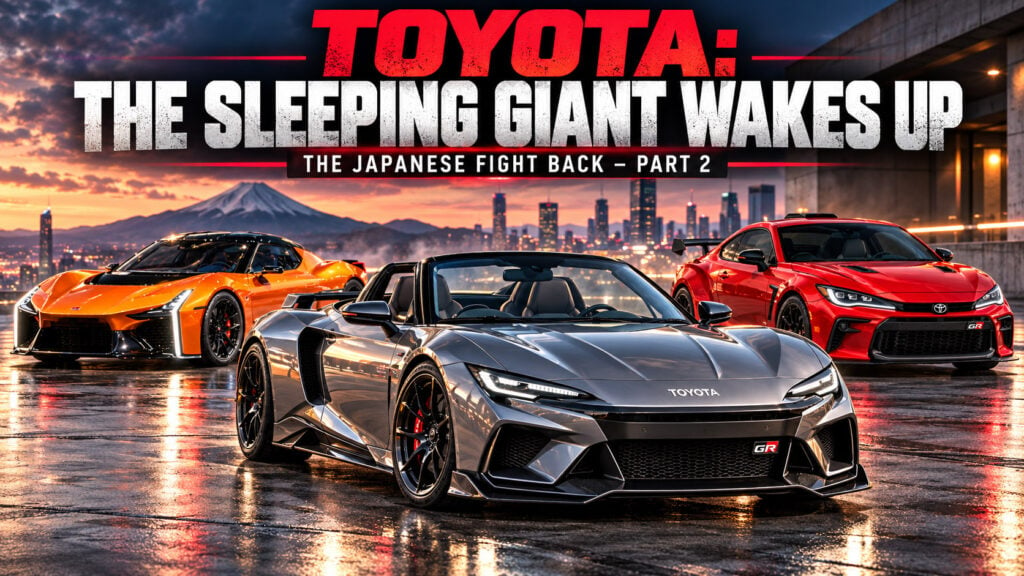
If there is one Japanese manufacturer that can afford to take the Chinese challenge seriously, it is Toyota. But Toyota’s greatest strength may also have been its greatest weakness. It was very, very good at doing what it already did.
While competitors rushed headlong into battery-electric cars, Toyota continued to preach the virtues of hybrids, multiple powertrain technologies and what it calls its “multi-pathway” strategy. Critics accused Toyota of being behind the curve. Perhaps they were right.
But there is a rather important difference between being late and being asleep.
Toyota has been developing next-generation batteries for years. Its roadmap includes cheaper LFP-based batteries, high-performance batteries and, most intriguingly, all-solid-state batteries. Toyota says it is targeting commercialisation of the latter in 2027–28, with faster charging and higher energy density. That could be Toyota’s ace card.
Because if solid-state technology actually delivers what the engineers have been promising, suddenly the conventional EV starts looking rather old-fashioned. More range. Less charging time. Less weight. More performance.
And potentially a much more compelling proposition for the buyer who currently looks at an EV and thinks: “Nice car, but where do I charge the bloody thing?” and “oops it has caught fire again!”
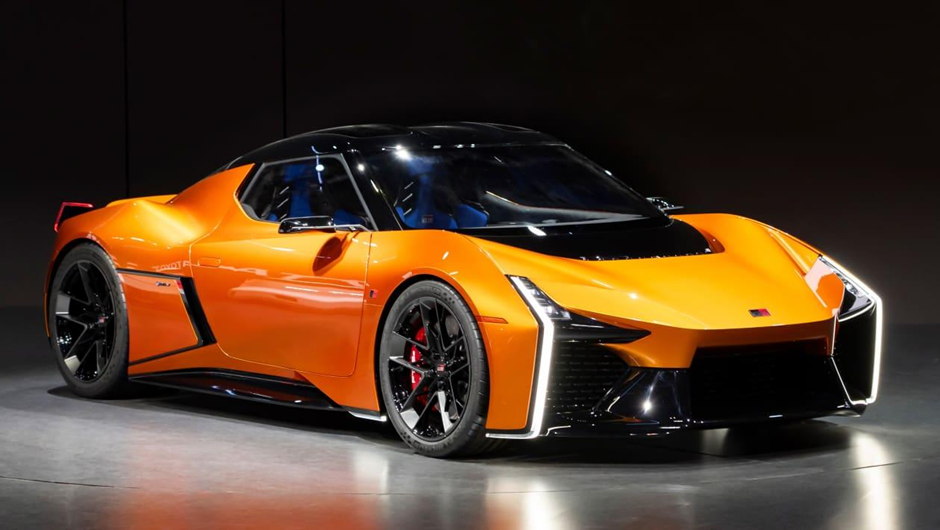
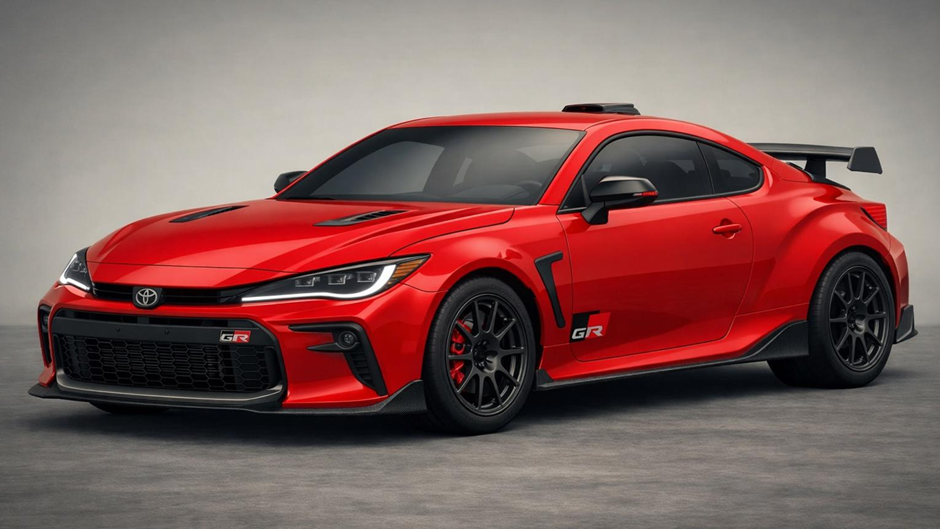
Toyota is also becoming considerably more aggressive in China. Reports indicate that it plans China-built extended-range EVs from 2027, with production potentially reaching around 400,000 units annually by 2028.
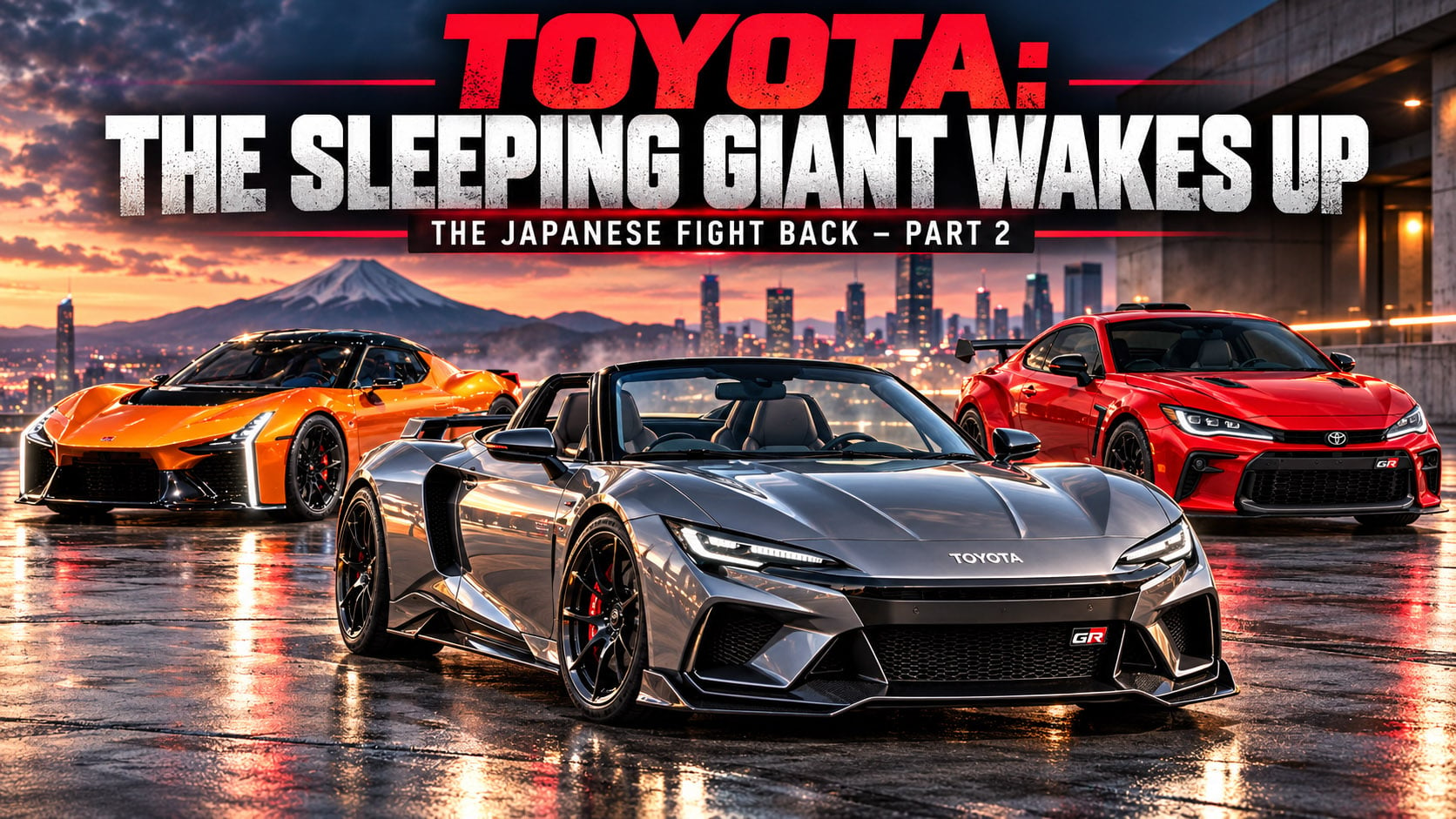
And then there are the names that get petrolheads interested. Celica. MR2. GR. Lexus.
Toyota has already demonstrated that it understands something many manufacturers forgot during the rush towards electrification: People don’t necessarily buy cars because they are sensible.
Sometimes they buy them because they want one. That is why Toyota’s performance strategy matters. The GR brand gives Toyota something BYD cannot manufacture overnight: decades of emotional baggage involving rallying, sports cars and performance.
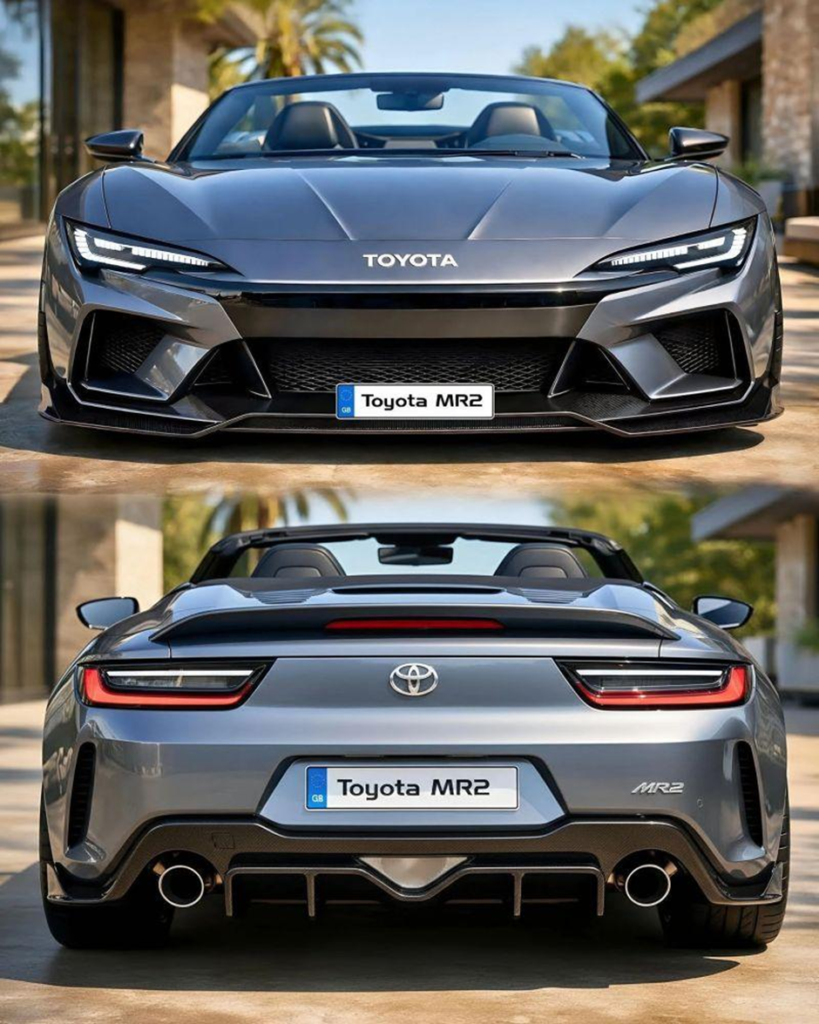
Toyota’s problem is scale. The company is enormous. Changing direction is rather like trying to turn an oil tanker using a bicycle.
But if Toyota can combine its manufacturing discipline with genuinely competitive batteries, sophisticated software and a few cars that enthusiasts actually want to drive, it could be extremely dangerous.
The Japanese giant may have spent several years apparently standing still. Perhaps it was actually winding up.