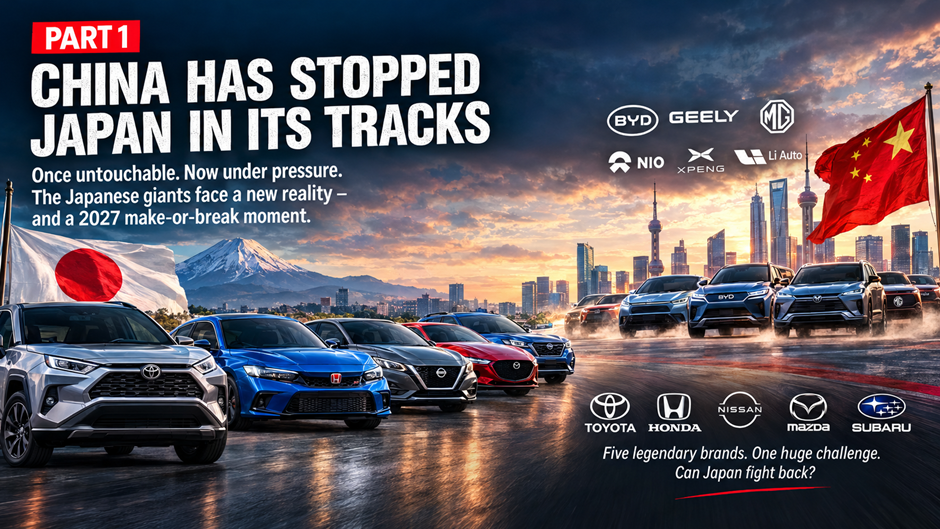
For decades, Japanese car manufacturers seemed almost untouchable.
Toyota, Honda, Nissan, Mazda and Subaru had perfected the formula. Build reliable cars, make them economical, engineer them properly, sell them everywhere and, above all, don’t do anything too stupid.
Then China discovered the automobile. And rather inconveniently for Japan, the Chinese didn’t read the Japanese rule book.
Instead of taking 5–7 years to develop a new car, Chinese manufacturers started doing it in something approaching smartphone time. They embraced electric propulsion, batteries, software, autonomous driving and enormous digital screens while Japanese manufacturers were still explaining why hybrids were the sensible answer.
The result is becoming impossible to ignore. Japanese brands accounted for around 23% of China’s car market in 2020. By 2025 that had fallen below 10%. In August 2026, Toyota’s Chinese sales fell 22.8%, while Honda and Nissan were down almost 50% each.
Suddenly, the hunters have become the hunted. And there is another problem. Chinese manufacturers aren’t simply attacking Japan in China anymore. They are heading into Southeast Asia, Europe, the Middle East and other markets where Japanese manufacturers once regarded themselves as virtually bulletproof.
But here is where the story gets interesting. Japan hasn’t surrendered. Far from it. Behind the scenes, Toyota, Honda, Nissan, Subaru and Mazda are preparing what could become one of the most fascinating automotive counterattacks in decades.
And their weapons aren’t necessarily going to be another collection of anonymous electric SUVs.
Toyota is betting heavily on next-generation batteries, including solid-state technology. Honda is rediscovering the emotional appeal of names such as Prelude. Nissan is trying to rebuild itself through new electrification and software. Subaru is combining its legendary AWD heritage with electrification, while Mazda is stubbornly refusing to accept that the internal-combustion engine is dead and is even dusting off the rotary.
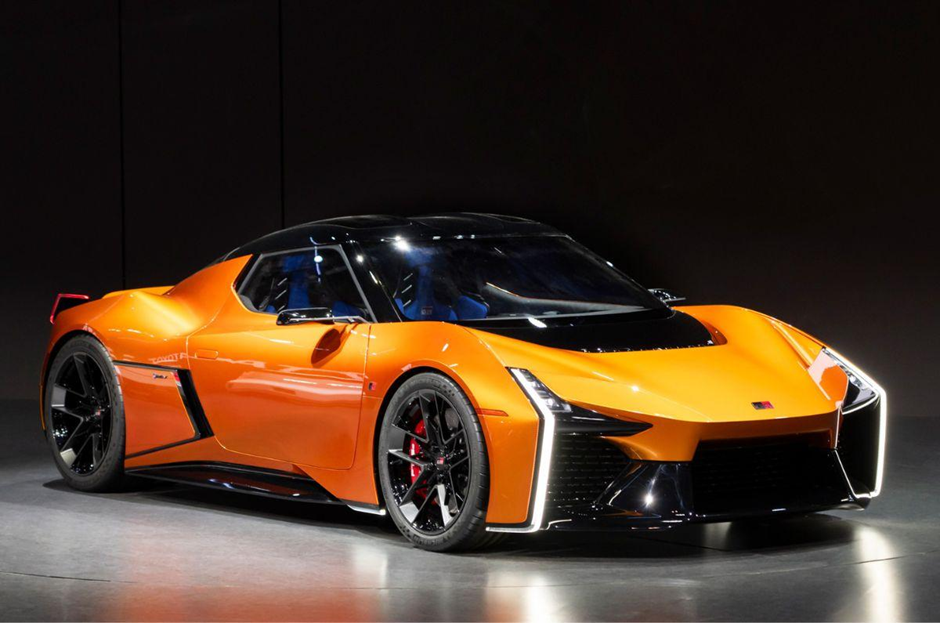
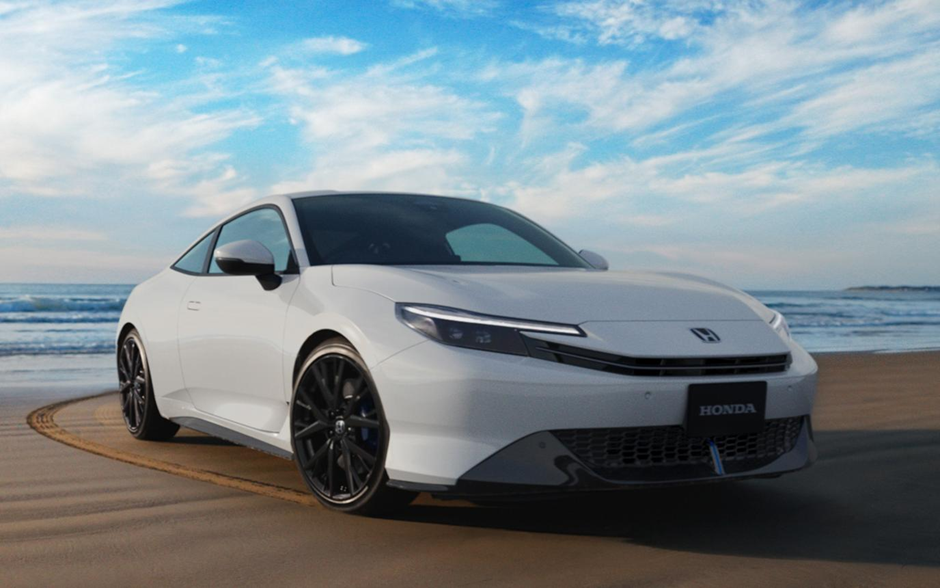
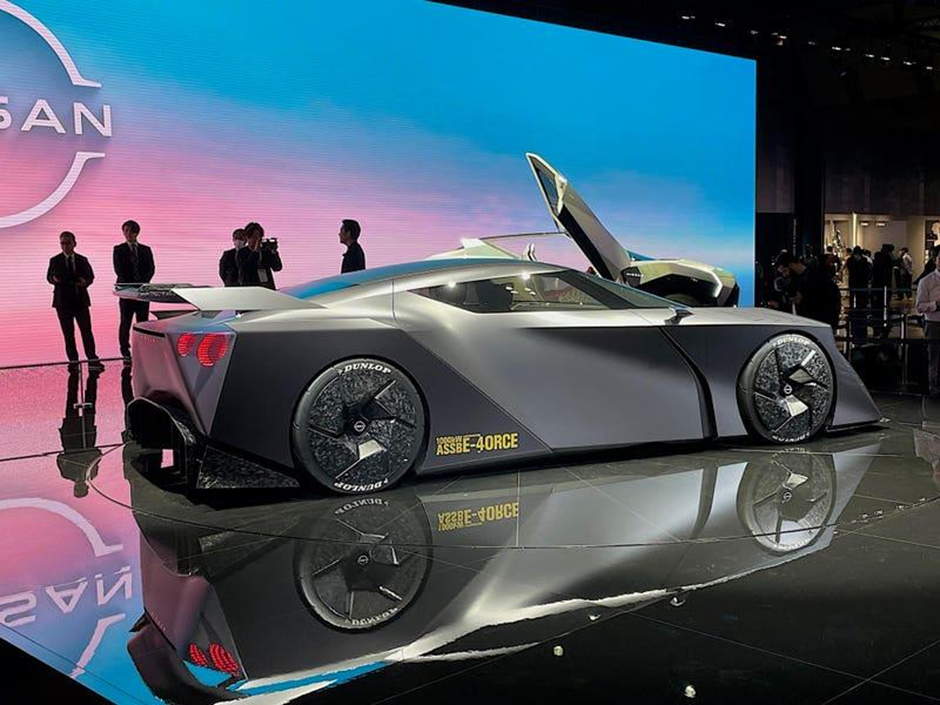
And then there is 2027. This could be the year when all this technological development finally starts appearing in products ordinary customers can actually buy.
Toyota is targeting 2027–28 for commercialisation of its all-solid-state batteries. Mazda has a new EV platform and SKYACTIV-Z coming. Honda is putting its revived Prelude on the road. Subaru is expanding its BEV range. Nissan is targeting major new-energy launches.
China has forced Japan to stop, look over its shoulder and ask a rather uncomfortable question: “What the hell are we going to do now?” The answer could define the Japanese motor industry for the next 30 years.
And in the next six parts, we’re going to look at exactly how each manufacturer intends to fight back. Because this is no longer about catching China. It is about surviving it.