
Subaru has always occupied an interesting little corner of the automotive universe. While everyone else was arguing about horsepower, styling and luxury, Subaru simply kept doing Subaru.
Four-wheel drive. Boxer engines. Rally heritage. Mud. Snow. Dogs. More dog. And it worked. Never did they want to have a car in every garage, but they wanted a car in the right garage.
But now Subaru has to electrify without losing the very characteristics that made Subaru buyers loyal in the first place. Its answer is increasingly tied to Toyota.
The two companies already collaborate extensively, and Subaru’s BEV strategy includes Toyota-based technology. The 2027 Subaru Getaway, for example, joins an expanding electric SUV range. Subaru has also introduced the Trailseeker, closely related to Toyota’s bZ Woodland.
But there is another side to Subaru. One all petrolheads love and that is the STI. And this is where the fightback becomes interesting.
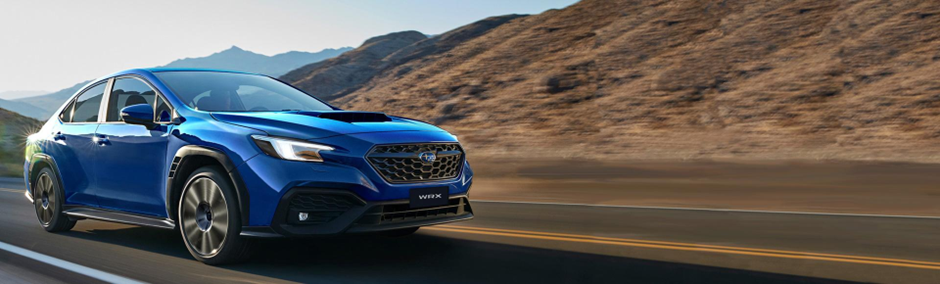
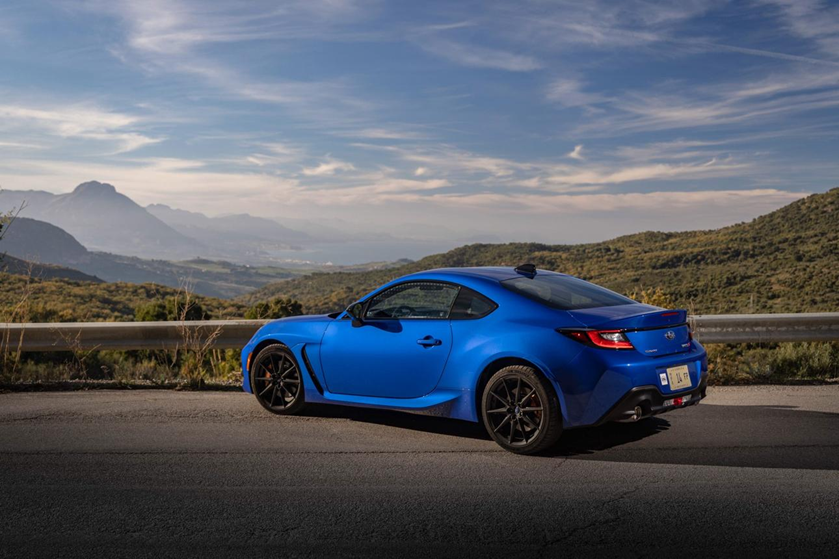
The 2027 WRX and BRZ are receiving limited-edition performance versions celebrating their heritage. At least in the USA they are. The WRX GD25 retains its turbocharged engine, manual transmission and AWD, while the BRZ ZC15 continues with a naturally aspirated engine and six-speed manual gearbox.
That tells us something. Subaru isn’t prepared to throw its enthusiast customers under the electric bus just yet. But neither can it ignore electrification. The trick will be combining the two.
Imagine an electric Subaru with proper AWD, intelligent torque vectoring and the sort of chassis tuning that makes it feel like an STI rather than a washing machine. That could actually be rather good.
The danger is that Subaru becomes merely the Japanese supplier of sensible electric SUVs. And Subaru without personality would be like a rally car without mud. Technically possible. But what’s the point?
The company’s challenge is therefore remarkably simple: Go electric without going boring. If Subaru manages that, it could have a very loyal customer base waiting.